In today’s interconnected world, where our lives revolve around smartphones, tablets, and laptops, a reliable USB wall charger isn’t just an accessory; it’s a necessity. But with an overwhelming array of options promising lightning-fast speeds and cutting-edge technology, how do you truly pick the Best Usb Wall Charger for your needs? As the content creator for SYFCA.com and with over a decade in the charging tech field, I’m here to demystify the complexities and help you make an informed decision that keeps your devices powered safely and efficiently.
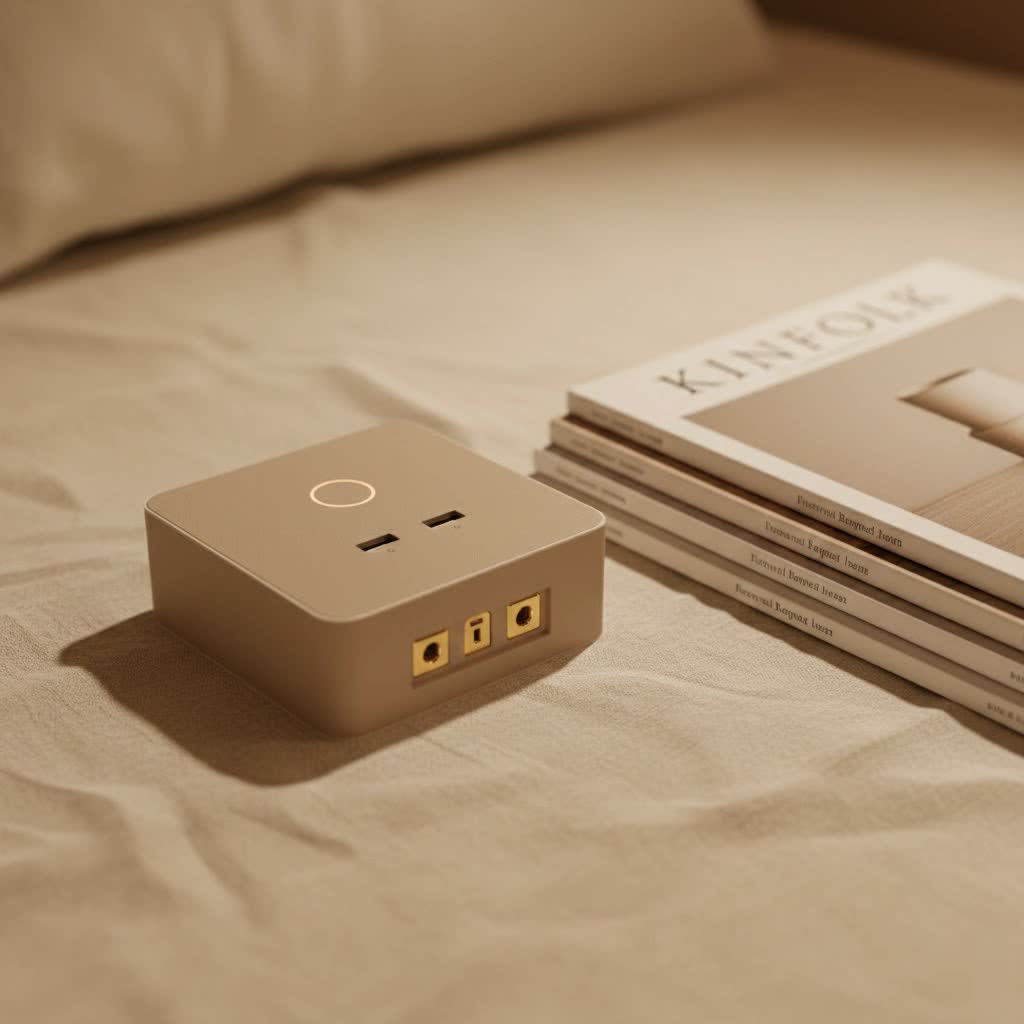
Understanding USB Wall Chargers: Beyond the Basics
At its core, a USB wall charger is a power adapter that converts AC electricity from your wall outlet into the DC power your electronic gadgets need. Unlike the slower USB ports on your computer, modern wall chargers are engineered to deliver higher currents, ensuring faster charging times. The widespread adoption of USB-powered devices has created a huge demand for these essential adapters, especially as many device manufacturers no longer include chargers in the box.
The world of charging technology has evolved rapidly. We’ve moved from the ubiquitous, rectangular USB-A ports to the versatile, reversible USB-C, which now handles both power and data with greater efficiency. This shift, coupled with advancements like Gallium Nitride (GaN) technology and sophisticated charging protocols such as Power Delivery (PD), has transformed how we power our devices, making smart selection more important than ever.
Key Factors to Consider When Choosing Your Best USB Wall Charger
Selecting the perfect charger involves more than just picking one off the shelf. It requires understanding a few critical specifications and how they align with your devices.
Power Output (Wattage): How Much Do You Really Need?
Wattage, measured in watts (W), directly indicates how much power your charger can deliver to your device. Simply put, higher wattage usually means faster charging.
However, your device will only draw as much power as it’s designed to accept. A 45W charger will still charge a phone that only supports 20W, but the phone will only draw 20W.
- How many watts do I need for my phone charger?
Most smartphones require at least 20W for optimal fast charging, while larger devices like tablets and many laptops often need 30W, 60W, or even up to 100W or more for efficient power delivery. Always check your device’s specifications to match its optimal input.
|
Our Picks for the Best Wall Charger in 2026
As an Amazon Associate I earn from qualifying purchases.
|
||
| Num | Product | Action |
|---|---|---|
| 1 | 2 Pack USB C Charger Block, Dual Port Type C Wall Charger Fast Charging 20W Power Adapter Cube for iPhone 14/14 Pro/14 Pro Max/14 Plus/13/12/11, XS/XR/X, iPad, Samsung, More |

|
| 2 | Surge Protector Outlet Extender - with Rotating Plug, 6 AC Multi Plug Outlet with 4 USB Ports (2 USB C), 1800J Wall Charger, 3-Sided Power Strip with Spaced Outlet Splitter for Home, Office, Travel |
|
| 3 | JcBlaon Outlet Extender Surge Protector - 6 Outlet Splitter with 4 USB Ports (2 USB C), Multiple Plug Expander Wall Charger, 3 Sided Multi Plug Wall Adapter Power Strip for Home Office Kitchen Travel |
|
| 4 | 128W USB C Wall Charger,GaN III 3-Port Fast Charging Station,PD QC Foldable Charger Block Portable 65W Laptop Adapter for MacBook Pro/Air,iPad Pro,Galaxy S23,Dell XPS 13,iPhone 17/16/Pro etc |
|
| 5 | LCGENS USB C Wall Charger Block 20W, 2-Pack Dual Port PD Power Delivery Fast Type C Charging Block Plug Compatible with iPhone 11/12/13/14/15/16/17 Pro Max, XS/XR/X, Ipad Pro, Samsung Galaxy |
|
| 6 | 2Pack USB C Fast Charger Block, 60W 5-Port USB C Wall Charger 30W Type C Charging Block, 2USB C+3USB A PPS/PD 3.0 Multiport Charging Cube for iPhone 17 16 15 14 Pro Max,for Galaxy S25 S24 Ultra, i Pad |
|
| 7 | Anker Nano 47W USB C Charger, 2 Port Compact Foldable GaN Charger for iPhone 17 / 16, Galaxy, Pixel, Compatible with MagSafe (White) |
|
| 8 | USB C Wall Charger Block, 2Pack 60W 5-Port C Charger Fast Charging Block PD Power Adapter +QC 3.0 Multiport Type C Box Brick Cube USB A Wall Plug for iPhone 15/16/17 Pro Max Plus, iPad,Samsung Galaxy |
|
| 9 | iPhone Fast Charger 3+3Pack 20W USB C Wall Charger with 6FT Fast Charging Cable Compatible with iPhone 14/13/12/11/Pro/Pro Max |
|
| 10 | USB Wall Charger, LUOATIP 3-Pack 2.1A 5V Dual Port Cube Power Adapter Plug Block Charging Box Brick for iPhone 14 13 12 11 Pro Max SE XS XR X 8 7 6 6S Plus, Galaxy, LG, Moto, Android Phones |
|
For simultaneous charging of multiple devices, the total wattage of the charger is crucial. For instance, a 65W charger might dynamically distribute power, perhaps delivering 40W to a laptop and 25W to a phone when both are connected.
Port Types & Configuration: USB-C for the Future, USB-A for Legacy
The type and number of ports significantly impact a charger’s versatility.
- What’s the difference between USB-A and USB-C ports on a charger?
USB-A ports are the older, rectangular standard, generally offering slower charging speeds. USB-C, on the other hand, is the newer, reversible port that supports much faster charging and data transfer, becoming the industry standard for most modern devices.
While dual USB-C ports are ideal for future-proofing, having a mix of USB-C and USB-A ports can be beneficial for charging older accessories like wireless earbuds or smartwatches that still use USB-A cables.
Multi-port chargers are excellent for households or travelers, allowing you to power several gadgets simultaneously. However, always ensure the total power output is sufficient to handle all your devices without significant slowdowns.
Charging Protocols: The Language of Fast Charging
For your device to charge at its maximum speed, the charger must “speak” the same fast-charging language.
- What are USB Power Delivery and PPS, and why are they important?
USB Power Delivery (USB-PD) is a universal standard that allows for higher power transfer over USB-C, supporting up to 100W (and up to 240W with PD 3.1). It’s widely supported by Apple, Google, Samsung, and many other brands for fast charging smartphones, tablets, and laptops.
Programmable Power Supply (PPS) is an advanced charging protocol within USB-PD that allows for dynamic voltage and current adjustments in real-time. This is particularly crucial for devices like Samsung Galaxy phones and certain iPhones, enabling their “super-fast charging” capabilities.
Other protocols include Qualcomm Quick Charge (QC) for older Android devices and various proprietary standards from specific manufacturers. Look for chargers that support USB-PD and PPS for the broadest compatibility and fastest speeds with most modern devices.
Gallium Nitride (GaN) Technology: Smaller, Cooler, More Efficient
- Are GaN chargers worth it?
Absolutely! GaN technology uses Gallium Nitride instead of traditional silicon in the charger’s internal circuitry. This allows manufacturers to create much smaller, lighter, and more efficient chargers that generate less heat. If portability, high power, and reduced bulk are priorities, especially for travel or charging laptops, a GaN-based best USB wall charger is definitely worth the investment.
Safety Features & Certifications: Your Peace of Mind
Safety should never be compromised when it comes to electrical devices. Reputable chargers incorporate multiple safety protections.
- How can I tell if a USB wall charger is safe?
Look for chargers that feature built-in protections against over-voltage, over-current, short-circuiting, and overheating. These safeguards are crucial to prevent damage to your devices and mitigate fire hazards.
Always verify certification marks like UL (Underwriters Laboratories in the U.S.), CE (Conformité Européenne for Europe), FCC (Federal Communications Commission for U.S. emissions), and RoHS (Restriction of Hazardous Substances). These marks indicate adherence to stringent safety and environmental standards. Avoid excessively cheap chargers with vague specifications or no clear manufacturer information, as these often signal substandard builds that can pose risks.
Size, Portability, and Design: Charging on the Go
For many, especially frequent travelers, the physical attributes of a charger are just as important as its power. Compact GaN chargers with foldable plugs are highly valued for their portability, minimizing bulk and protecting prongs during transport. Consider how the charger will fit into your bag or blend into your home/office environment.
How to Choose the Best USB Wall Charger for Your Specific Needs (Step-by-Step)
- Assess Your Device Needs: List all the devices you intend to charge and their individual wattage requirements and supported fast-charging protocols (e.g., iPhone 15 needs 20W USB-PD, a MacBook Pro might need 65W-100W USB-PD).
- Determine Total Wattage: If you plan to charge multiple devices simultaneously, sum up their peak wattage requirements to determine the minimum total output you’ll need from a multi-port charger. Remember that power often splits between ports.
- Select Port Configuration: Prioritize USB-C ports for modern devices and future-proofing. If you still have USB-A devices, a charger with a mix of USB-C and USB-A ports offers greater versatility.
- Verify Charging Standards: Ensure the charger supports USB-PD, and if you own a Samsung Galaxy or recent iPhone, look for PPS support to unlock their fastest charging speeds.
- Evaluate Build Quality and Safety: Stick to reputable brands known for durability and safety features. Always check for safety certifications like UL, CE, or FCC. Read user reviews for insights into real-world performance and heat management.
Tips for Maximizing Your Wall Charger’s Lifespan and Safety
Even the best USB wall charger benefits from proper care.
- Keep Vents Unobstructed: Ensure adequate airflow to prevent overheating, especially with higher-wattage chargers.
- Use Quality Cables: A high-quality USB-C cable rated to handle the wattage of your charger is essential for achieving fast charging speeds. Cheap cables can significantly slow down charging or even be unsafe.
- Inspect Regularly: Check cables and connectors for any signs of fraying or damage.
- Unplug When Not in Use: This helps prevent unnecessary wear and tear and saves a tiny bit of energy.
- Discontinue Use if Faulty: If a charger emits smoke, unusual odors, or becomes excessively hot to touch, unplug it immediately and dispose of it safely.
“The landscape of charging technology is constantly evolving, but the core principles remain: prioritize safety, match your charger to your device’s specific needs, and invest in quality. It’s not just about speed; it’s about protecting your valuable electronics and ensuring a reliable power experience.” – Dr. Evelyn Reed, Chief Charging Technology Analyst at SYFCA.com.
Frequently Asked Questions (FAQ)
Can I use any USB wall charger with my smartphone?
Most modern phones support universal USB charging standards, but optimal charging speed depends on compatibility with specific protocols like USB-PD or PPS. Using a charger that matches your phone’s supported protocol will ensure the fastest and most efficient charge.
Are third-party USB wall chargers safe?
Yes, if they come from reputable brands and clearly display recognized safety certifications such as UL or CE. Avoid unbranded or extremely cheap options that often lack proper safety mechanisms and robust internal circuitry.
Why does my charger get hot?
Some warmth is normal during operation, especially when charging high-power devices or multiple gadgets simultaneously. However, excessive heat (too hot to touch) can indicate poor ventilation, low-quality components, or an incompatible load. Discontinue use if it overheats excessively.
Is a higher wattage charger always better?
Not necessarily. While a higher wattage charger can provide faster charging for compatible devices, your device will only draw its maximum supported power. Overspending on a 100W charger for a phone that only accepts 20W won’t make it charge faster. However, a higher wattage charger offers more versatility for charging multiple devices or power-hungry laptops.
Conclusion
Choosing the best USB wall charger doesn’t have to be a bewildering task. By focusing on your devices’ power requirements, understanding the different port types and charging protocols, considering the benefits of GaN technology, and prioritizing safety certifications, you can confidently select a charger that perfectly fits your lifestyle. At SYFCA.com, we believe that informed choices lead to safer and more efficient device management. Empower yourself with the right knowledge, and ensure your gadgets are always ready to go, whenever and wherever you need them.
