In today’s hyper-connected world, our lives revolve around devices. From smartphones and tablets to smartwatches and e-readers, keeping everything charged is a constant balancing act. We’ve all been there: searching frantically for a bulky power adapter, wrestling with occupied outlets, or dealing with a tangled mess of cables. But what if there was a simpler, more elegant solution built right into your home’s infrastructure? Enter the Usb Charger Wall Outlet – a revolutionary step forward in how we power our digital lives. At SYFCA.com, with over a decade of hands-on experience in charging technology, we believe it’s time to demystify these modern marvels and help you understand how they can transform your charging experience.
What Exactly is a USB Charger Wall Outlet?
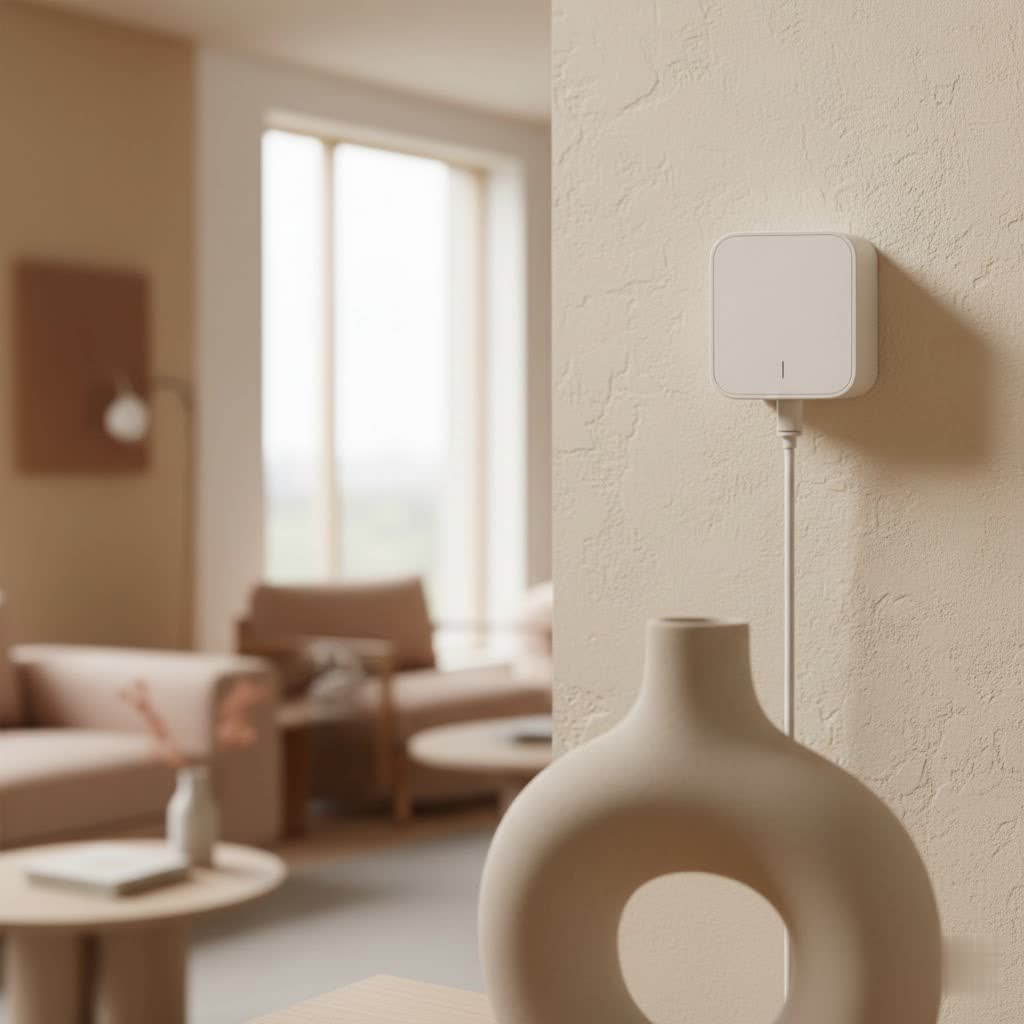
Simply put, a USB charger wall outlet is a standard electrical outlet that has integrated USB charging ports alongside the traditional AC receptacles. This means you can plug in your lamp or laptop and charge your phone directly via a USB cable, all from the same convenient location without needing extra adapters. It’s about bringing power delivery into the 21st century, designed for maximum convenience and a clutter-free environment.
The Game-Changing Benefits of Integrated USB Outlets
The shift to integrated USB charger wall outlets isn’t just a trend; it’s a practical evolution driven by our ever-increasing reliance on USB-powered devices.
Say Goodbye to Adapter Clutter
|
Our Picks for the Best Wall Charger in 2026
As an Amazon Associate I earn from qualifying purchases.
|
||
| Num | Product | Action |
|---|---|---|
| 1 | iPhone Fast Charger 3+3Pack 20W USB C Wall Charger with 6FT Fast Charging Cable Compatible with iPhone 14/13/12/11/Pro/Pro Max |

|
| 2 | USB C Wall Charger Block, 2Pack 60W 5-Port C Charger Fast Charging Block PD Power Adapter +QC 3.0 Multiport Type C Box Brick Cube USB A Wall Plug for iPhone 15/16/17 Pro Max Plus, iPad,Samsung Galaxy |
|
| 3 | Anker Nano 47W USB C Charger, 2 Port Compact Foldable GaN Charger for iPhone 17 / 16, Galaxy, Pixel, Compatible with MagSafe (White) |
|
| 4 | JcBlaon Outlet Extender Surge Protector - 6 Outlet Splitter with 4 USB Ports (2 USB C), Multiple Plug Expander Wall Charger, 3 Sided Multi Plug Wall Adapter Power Strip for Home Office Kitchen Travel |
|
| 5 | Surge Protector Outlet Extender - with Rotating Plug, 6 AC Multi Plug Outlet with 4 USB Ports (2 USB C), 1800J Wall Charger, 3-Sided Power Strip with Spaced Outlet Splitter for Home, Office, Travel |
|
| 6 | 2Pack USB C Fast Charger Block, 60W 5-Port USB C Wall Charger 30W Type C Charging Block, 2USB C+3USB A PPS/PD 3.0 Multiport Charging Cube for iPhone 17 16 15 14 Pro Max,for Galaxy S25 S24 Ultra, i Pad |
|
| 7 | 128W USB C Wall Charger,GaN III 3-Port Fast Charging Station,PD QC Foldable Charger Block Portable 65W Laptop Adapter for MacBook Pro/Air,iPad Pro,Galaxy S23,Dell XPS 13,iPhone 17/16/Pro etc |
|
| 8 | USB Wall Charger, LUOATIP 3-Pack 2.1A 5V Dual Port Cube Power Adapter Plug Block Charging Box Brick for iPhone 14 13 12 11 Pro Max SE XS XR X 8 7 6 6S Plus, Galaxy, LG, Moto, Android Phones |
|
| 9 | 2 Pack USB C Charger Block, Dual Port Type C Wall Charger Fast Charging 20W Power Adapter Cube for iPhone 14/14 Pro/14 Pro Max/14 Plus/13/12/11, XS/XR/X, iPad, Samsung, More |
|
| 10 | LCGENS USB C Wall Charger Block 20W, 2-Pack Dual Port PD Power Delivery Fast Type C Charging Block Plug Compatible with iPhone 11/12/13/14/15/16/17 Pro Max, XS/XR/X, Ipad Pro, Samsung Galaxy |
|
One of the most immediate and noticeable benefits is the elimination of bulky power bricks. Remember those days of hunting for the right adapter or having a power strip overrun with various plugs? USB wall outlets free up your traditional AC sockets, allowing you to charge your devices directly with just a cable. This not only declutters your space but also makes your charging setup far more streamlined and aesthetically pleasing. Imagine a bedside table or kitchen counter, finally free from an octopus of chargers!
Faster, More Efficient Charging with Power Delivery
Modern USB wall outlets, especially those equipped with USB-C Power Delivery (PD), are engineered for speed and efficiency. Unlike older, low-power USB ports, these advanced outlets can deliver significant wattage, often charging devices much faster than conventional adapters. Power Delivery technology intelligently negotiates with your device to provide the optimal voltage and current, ensuring a rapid yet safe charge. This means your smartphone can go from 0% to 50% in as little as 25-30 minutes, and some high-wattage units can even charge laptops.
Enhanced Safety Features for Peace of Mind
Quality USB charger wall outlets are designed with multiple safety protocols. They often include built-in overcurrent, overvoltage, and short-circuit protection, safeguarding both your devices and your home’s electrical system. Reputable brands ensure their products meet rigorous safety standards, providing a much safer charging environment compared to using multiple low-quality adapters that can overload circuits.
Future-Proofing Your Home
As USB-C becomes the universal standard for charging everything from phones to laptops, installing USB-C enabled wall outlets prepares your home for the next generation of devices. This forward-thinking upgrade ensures that your charging infrastructure remains relevant and capable of handling future technological advancements, reducing the need for constant adapter replacements.
Understanding the Different Types: USB-A, USB-C, and Beyond
Not all USB ports are created equal. Understanding the different types available in a USB charger wall outlet is key to choosing the right one for your needs.
USB-A: The Classic Connector
This is the rectangular port we’ve been familiar with for decades. While still widely used for older devices, accessories, and some wearables, USB-A typically offers slower charging speeds compared to its newer counterpart. Many integrated wall outlets still include USB-A ports to cater to legacy devices.
USB-C: The Modern Standard with Power Delivery (PD)
USB-C is the reversible, oval-shaped port that has rapidly become the industry standard. Its key advantage, especially when integrated into a wall outlet, is its ability to support Power Delivery (PD). This protocol allows for significantly higher power transfer (up to 100W or even 240W in the latest specifications, though wall outlets typically offer 30-65W), enabling fast charging for smartphones, tablets, and even many laptops. If you own modern devices, USB-C with PD is a must-have.
Combination Outlets: The Best of Both Worlds
Many popular USB charger wall outlets feature a mix of ports, often including two traditional AC receptacles, a USB-A port, and a USB-C PD port. This versatile configuration provides the ultimate flexibility, allowing you to charge both old and new devices simultaneously while still retaining your standard wall power.
“The evolution from bulky adapters to sleek, integrated USB wall outlets marks a significant leap in user convenience and electrical efficiency. For optimal performance and safety, always prioritize outlets that feature USB-C with Power Delivery and carry trusted safety certifications,” advises Dr. Anya Sharma, Lead Charging Technology Analyst at SYFCA.com.
Powering Up: Wattage, Amperage, and Charging Speed
When discussing charging, you’ll often hear terms like wattage and amperage. Understanding these helps you gauge the performance of a USB charger wall outlet.
- Amperage (Amps): This refers to the flow of electrical current. Higher amperage generally means faster charging. Many USB-A ports in wall outlets offer around 2.4 Amps, while USB-C PD ports can deliver much higher.
- Wattage (Watts): This is the total power delivered (Volts x Amps). For fast charging, especially for larger devices like tablets and laptops, you need higher wattage. USB-C PD outlets commonly range from 30W to 65W, with some even pushing higher. For example, a 65W USB-C PD outlet can quickly charge a compatible laptop, while a 20W or 30W outlet is perfect for rapidly powering up smartphones and smaller tablets.
- GaN Technology: Gallium Nitride (GaN) is a semiconductor material used in some advanced high-wattage USB chargers and wall outlets. GaN allows components to be smaller, more efficient, and generate less heat, enabling more power in a compact form factor. This is why many high-wattage USB-C PD wall outlets can still fit into a standard electrical box.
Safety First: What to Look for in a USB Wall Outlet
Safety is paramount when dealing with electrical installations. When selecting a USB charger wall outlet, never compromise on quality and certifications.
- Certifications: Always look for products that are listed by recognized safety organizations like Underwriters Laboratories (UL) or Intertek (ETL). These certifications ensure the product has been rigorously tested and meets national safety standards. Similarly, ensure the product is compliant with the National Electrical Code (NEC).
- Overcurrent Protection: A high-quality USB outlet will feature built-in protection against overcurrent, safeguarding your devices from damage due to excessive power flow. This is a critical feature, especially with modern fast-charging protocols.
- Avoiding Substandard Products: The market is flooded with cheap electronics. While tempting, substandard USB wall outlets may lack crucial safety features, have poor heat dissipation, and use inferior components that can fail prematurely or, worse, pose a fire hazard. Always invest in reputable brands known for their quality and safety standards.
- GFCI Combination Outlets: For locations near water sources like kitchens, bathrooms, or outdoors, consider a Ground Fault Circuit Interrupter (GFCI) USB outlet. These units offer both USB charging convenience and critical GFCI protection, automatically cutting power in case of a ground fault to prevent electrical shock.
Choosing the Perfect USB Charger Wall Outlet for Your Home
Selecting the right USB charger wall outlet involves considering your specific needs and the environment where it will be installed.
- Assess Your Devices: Do you primarily use USB-A or USB-C devices? Or a mix of both? A combination outlet offers the most versatility. If you have a laptop that charges via USB-C, ensure the outlet supports Power Delivery with sufficient wattage (e.g., 45W, 60W, or 65W).
- Consider the Location:
- Bedroom: Ideal for charging phones, tablets, smartwatches overnight. Combination A/C or dual C ports are great here.
- Kitchen/Living Room: High-traffic areas where multiple devices might need charging simultaneously. Look for outlets with multiple USB ports and ample wattage. GFCI models are essential for kitchens.
- Home Office: Crucial for charging laptops, monitors, and other peripherals. Prioritize high-wattage USB-C PD ports.
- Outdoor/Garage: Look for weather-resistant and GFCI-protected models for safety and durability.
- Wattage Requirements: Match the outlet’s wattage to your devices’ needs. Don’t buy a 20W USB-C PD outlet if you intend to fast-charge a laptop that requires 60W.
- Brand Reputation: Stick with established brands known for their quality, reliability, and customer support. Leviton, Topgreener, Legrand, and Anker are examples of reputable manufacturers in this space.
Installation Essentials: DIY or Pro?
While the installation of a USB charger wall outlet might seem like a straightforward DIY project for some, it’s crucial to approach it with caution. If you’re not confident in your electrical skills, or if your home’s wiring is old, hiring a licensed electrician is always the safest option.
Key Installation Steps (Always Prioritize Safety!):
- Turn Off the Power: This is the most critical step. Locate your home’s electrical panel and flip the circuit breaker corresponding to the outlet you’ll be working on to the “OFF” position.
- Verify No Power: Use a non-contact voltage tester to confirm that no electricity is flowing to the existing outlet. Do NOT proceed until you are absolutely certain the power is off.
- Remove the Old Outlet: Unscrew the faceplate and carefully pull out the existing outlet from the wall box. You’ll typically find three wires:
- Hot Wire: Usually black or red.
- Neutral Wire: Usually white.
- Ground Wire: Usually green or bare copper.
- Connect the New USB Outlet: Follow the instructions provided with your new USB charger wall outlet. Generally, you’ll connect the hot wire to the brass or darker screw terminal, the neutral wire to the silver or lighter screw terminal, and the ground wire to the green ground screw. Ensure all connections are tight and secure.
- Secure and Test: Gently push the wires back into the wall box and fasten the new outlet with the provided screws. Attach the new faceplate. Finally, turn the power back on at the circuit breaker and use your voltage tester (and then a charging device) to confirm the outlet is functioning correctly.
For more complex installations, or if you encounter any unusual wiring, do not hesitate to call a professional electrician. They ensure the installation is safe and compliant with all local electrical codes.
Maximizing the Lifespan of Your USB Outlet
To ensure your USB charger wall outlet serves you reliably for years, a few best practices can make a difference.
- Invest in Quality: As mentioned, choosing a reputable brand is the first step towards longevity. Cheaper units often cut corners on components, leading to earlier failure.
- Avoid Overloading (Beyond Rated Capacity): While quality outlets have protection, consistently pushing them beyond their rated wattage can cause premature wear. Be mindful of the total power draw when charging multiple high-demand devices simultaneously.
- Keep it Clean: Dust and debris can accumulate in ports, potentially affecting connections or even contributing to heat issues. A quick, gentle clean with a non-conductive brush can help.
- Parasitic Power Draw: Some older or lower-quality USB outlets might draw a small amount of “standby” power even when no device is connected. While this is usually minimal, it’s a factor to consider for energy efficiency. Modern, high-quality units are designed to minimize or eliminate this parasitic draw.
Frequently Asked Questions About USB Charger Wall Outlets
Are USB outlets safe for all devices?
Yes, reputable USB wall outlets are designed to be safe for a wide range of devices. They incorporate intelligent charging circuitry that communicates with your device to deliver the precise amount of power needed, preventing overcharging or damage. [cite: 1 (from first search), 5 (from second search)]
Do USB outlets consume power when not in use?
Some older or lower-quality USB outlets can have a small “parasitic” power draw even when no device is plugged in. However, many modern, high-quality USB charger wall outlets are designed to be energy efficient and consume minimal to zero standby power. [cite: 4, 5 (from first search)]
Can I install a USB wall outlet myself?
If you have basic electrical knowledge and follow safety precautions like turning off the power at the circuit breaker and using a voltage tester, replacing a standard outlet with a USB one can be a DIY project. However, for older homes, complex wiring, or if you’re unsure, it’s always best to consult a licensed electrician to ensure safety and code compliance. [cite: 2 (from third search), 5 (from third search)]
What is Power Delivery (PD) and why is it important?
Power Delivery (PD) is a fast-charging technology that allows USB-C ports to deliver higher wattages (e.g., 20W, 30W, 65W) and intelligently negotiate the optimal power output with connected devices. It’s crucial for rapidly charging modern smartphones, tablets, and even laptops, making your USB charger wall outlet highly versatile and efficient. [cite: 5 (from second search)]
How long do USB wall outlets last?
The lifespan of a USB wall outlet varies depending on its quality and usage. High-quality units from reputable brands are built to last many years. However, the integrated electronic components for USB charging can sometimes have a shorter lifespan than a purely mechanical traditional outlet, potentially requiring replacement every 5 to 8 years for some models. [cite: 4 (from first search)]
Your Path to a Smarter Charging Future
Upgrading to a USB charger wall outlet is more than just a convenience; it’s an investment in a smarter, cleaner, and more efficient home. By understanding the types of ports, power specifications, and crucial safety features, you can confidently choose the perfect solution to meet your family’s growing charging demands. Say goodbye to adapter clutter and slow charging, and embrace the seamless power delivery of integrated USB outlets.
Ready to transform your home’s charging experience? Explore the latest in USB charging technology and discover quality products that align with our expert recommendations. At SYFCA.com, we’re committed to helping you make informed decisions for a safer, more connected life. Make the switch today and experience the undeniable difference of a truly modern charging infrastructure!
