In our increasingly connected world, your smartphone is your lifeline, and keeping it powered up is non-negotiable. But how much thought do you really put into the device that fuels it? Often overlooked, the humble Wall Charger Phone is a critical component that impacts everything from charging speed to battery longevity and even safety. As an expert with over a decade in the field, I’m here to tell you that not all wall chargers are created equal, and understanding the differences can dramatically enhance your charging experience and protect your valuable devices.
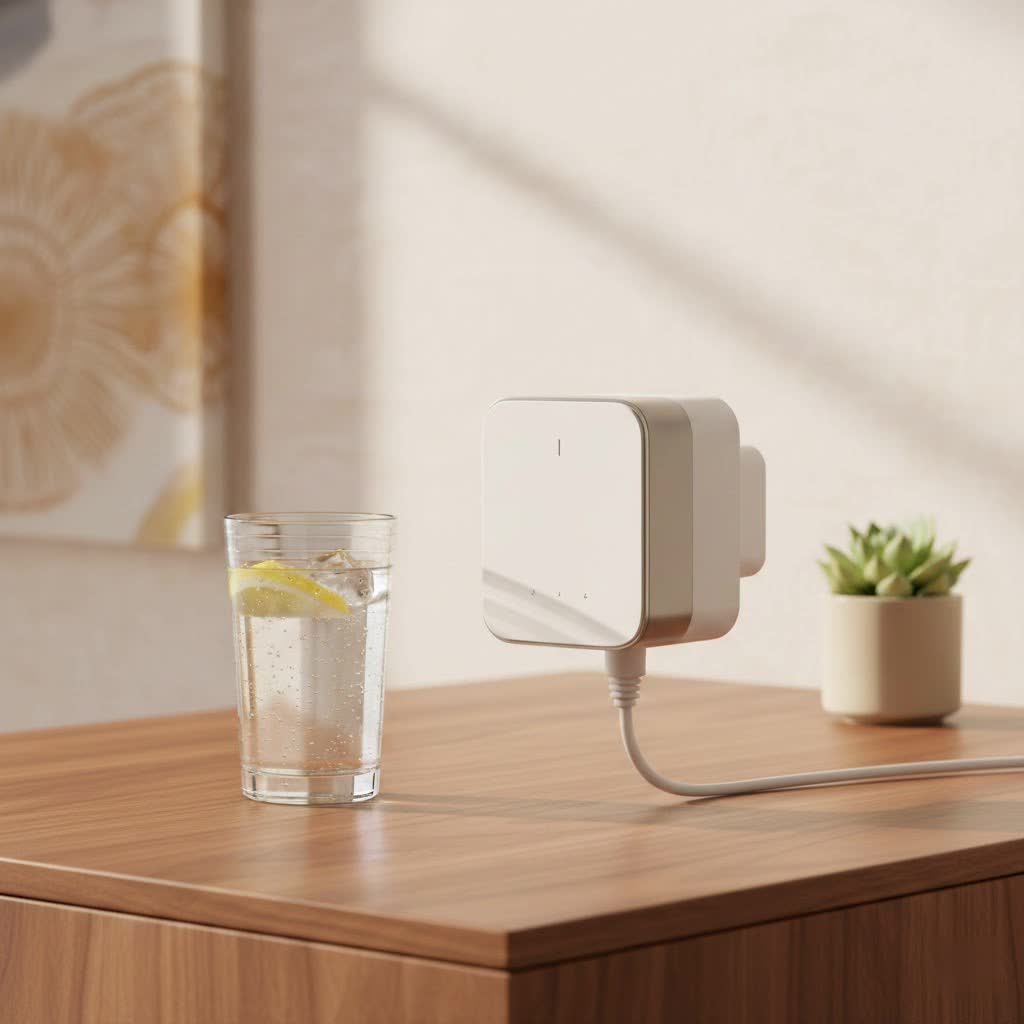
Why Your Wall Charger Matters More Than You Think
Think of your wall charger as the power plant for your phone. It converts the high-voltage alternating current (AC) from your wall socket into the low-voltage direct current (DC) that your phone can safely use. A quality wall charger doesn’t just deliver power; it manages it intelligently, protecting your device from power surges, overheating, and overcharging. Many phones today no longer include a charger in the box, pushing the responsibility onto you to make an informed choice. This is where understanding the various technologies and safety standards becomes crucial.
Understanding Wall Charger Types and Technologies
The world of wall chargers has evolved rapidly beyond the basic blocks of yesteryear. Knowing these advancements will empower you to pick the best charger for your needs.
The Classic USB-A Wall Charger: Simple but Slower
|
Our Picks for the Best Wall Charger in 2026
As an Amazon Associate I earn from qualifying purchases.
|
||
| Num | Product | Action |
|---|---|---|
| 1 | LCGENS USB C Wall Charger Block 20W, 2-Pack Dual Port PD Power Delivery Fast Type C Charging Block Plug Compatible with iPhone 11/12/13/14/15/16/17 Pro Max, XS/XR/X, Ipad Pro, Samsung Galaxy |

|
| 2 | USB C Wall Charger Block, 2Pack 60W 5-Port C Charger Fast Charging Block PD Power Adapter +QC 3.0 Multiport Type C Box Brick Cube USB A Wall Plug for iPhone 15/16/17 Pro Max Plus, iPad,Samsung Galaxy |
|
| 3 | 2Pack USB C Fast Charger Block, 60W 5-Port USB C Wall Charger 30W Type C Charging Block, 2USB C+3USB A PPS/PD 3.0 Multiport Charging Cube for iPhone 17 16 15 14 Pro Max,for Galaxy S25 S24 Ultra, i Pad |
|
| 4 | JcBlaon Outlet Extender Surge Protector - 6 Outlet Splitter with 4 USB Ports (2 USB C), Multiple Plug Expander Wall Charger, 3 Sided Multi Plug Wall Adapter Power Strip for Home Office Kitchen Travel |
|
| 5 | 128W USB C Wall Charger,GaN III 3-Port Fast Charging Station,PD QC Foldable Charger Block Portable 65W Laptop Adapter for MacBook Pro/Air,iPad Pro,Galaxy S23,Dell XPS 13,iPhone 17/16/Pro etc |
|
| 6 | Anker Nano 47W USB C Charger, 2 Port Compact Foldable GaN Charger for iPhone 17 / 16, Galaxy, Pixel, Compatible with MagSafe (White) |
|
| 7 | USB Wall Charger, LUOATIP 3-Pack 2.1A 5V Dual Port Cube Power Adapter Plug Block Charging Box Brick for iPhone 14 13 12 11 Pro Max SE XS XR X 8 7 6 6S Plus, Galaxy, LG, Moto, Android Phones |
|
| 8 | iPhone Fast Charger 3+3Pack 20W USB C Wall Charger with 6FT Fast Charging Cable Compatible with iPhone 14/13/12/11/Pro/Pro Max |
|
| 9 | Surge Protector Outlet Extender - with Rotating Plug, 6 AC Multi Plug Outlet with 4 USB Ports (2 USB C), 1800J Wall Charger, 3-Sided Power Strip with Spaced Outlet Splitter for Home, Office, Travel |
|
| 10 | 2 Pack USB C Charger Block, Dual Port Type C Wall Charger Fast Charging 20W Power Adapter Cube for iPhone 14/14 Pro/14 Pro Max/14 Plus/13/12/11, XS/XR/X, iPad, Samsung, More |
|
For years, the standard USB-A port was the ubiquitous choice for charging. While still functional for older devices or accessories, USB-A chargers typically offer slower charging speeds, often capped at 5W or 10W. They are generally less efficient and lack the advanced power delivery capabilities of newer standards. If you’re looking for quick top-ups, a USB-A-only wall charger phone might leave you wanting more.
Embracing USB-C Power Delivery (PD): The Future of Fast Charging
What exactly is USB-C Power Delivery (PD)? USB-C PD is a universal charging standard that allows for significantly faster and more flexible power delivery over a USB-C cable. It enables bidirectional power flow and can deliver much higher wattages than traditional USB-A, often up to 100W, though most phones will utilize 18W to 45W. This technology allows your phone and charger to communicate, negotiating the optimal power output for the fastest safe charge. Many modern phones, including iPhones and Android flagships, leverage USB-C PD for their rapid charging features. Within PD, you might also hear about PPS (Programmable Power Supply), which offers even finer voltage adjustments for specific devices, leading to cooler and more efficient charging.
GaN Chargers: Small Size, Big Power
What is Gallium Nitride (GaN)? GaN is a next-generation semiconductor material that’s revolutionizing charger design. Unlike silicon, GaN can conduct electrons much more efficiently, allowing chargers to be significantly smaller, lighter, and more powerful without generating excessive heat. Why are GaN chargers good for phones? Their compact size makes them ideal for travel, and their superior efficiency means less energy waste and cooler operation, which can extend the lifespan of the charger itself. Many GaN wall chargers also feature multiple high-speed ports, making them perfect for powering your phone, laptop, and tablet all at once.
Quick Charge (QC) vs. Power Delivery (PD): What’s the Difference?
While both Quick Charge (developed by Qualcomm) and Power Delivery aim to provide fast charging, they operate on different protocols. Quick Charge has been prevalent in many Android phones, offering various versions (QC 2.0, 3.0, 4.0, 5.0) that deliver increasing power. USB-C Power Delivery, on the other hand, is an open standard promoted by the USB Implementers Forum. While some devices might support both, USB-C PD is becoming the more universal and dominant fast-charging standard across a wider range of devices, including Apple products. For the best compatibility and future-proofing, a USB-C PD wall charger phone is generally the preferred choice.
Demystifying Wattage: How Much Power Does Your Phone Need?
The wattage (W) rating of a wall charger indicates its maximum power output. Getting this right is key to optimal charging. Most smartphones typically charge efficiently between 15W and 25W, with some premium models supporting up to 45W or even 60W for ultra-fast charging. For example, a standard iPhone might charge at 20W, while a Samsung Galaxy S23 Ultra can utilize up to 45W.
Can a high-wattage charger harm my phone? No, usually not. Your phone has an internal charging controller that only draws the power it needs, regardless of the charger’s maximum output. So, connecting a 65W GaN charger to a phone that only accepts 20W won’t damage it; the phone will simply draw 20W. However, using a charger with insufficient wattage will result in slower charging. Always aim for a charger that meets or exceeds your phone’s maximum charging input for the best experience.
Safety First: Certifications and Protections You Can Trust
“Choosing the right wall charger isn’t just about speed; it’s about safeguarding your phone’s battery health and ensuring long-term performance,” says Dr. Lena Khan, a renowned expert in power electronics. “Investing in a high-quality, certified charger is a small price to pay for peace of mind and optimal device longevity.”
The market is flooded with cheap, uncertified wall chargers that can pose serious risks. Always look for chargers with recognized safety certifications, which indicate they have been tested to meet specific safety standards. Key certifications include:
- UL (Underwriters Laboratories): Common in North America, ensuring electrical safety.
- CE (Conformité Européenne): Mandatory for products sold in the European Economic Area.
- FCC (Federal Communications Commission): For electronic products sold in the U.S., ensuring they don’t interfere with other electronics.
- RoHS (Restriction of Hazardous Substances): Limits the use of specific hazardous materials in electronic products.
Beyond certifications, quality chargers incorporate built-in safety features such as:
- Over-voltage protection: Prevents damage from voltage spikes.
- Over-current protection: Safeguards against excessive current flow.
- Short-circuit protection: Automatically shuts down power in case of a short.
- Over-temperature protection: Monitors and prevents overheating.
The dangers of counterfeit or uncertified chargers are real, including fire hazards, electric shock, and irreversible damage to your phone’s battery and internal components. Don’t compromise on safety for a few dollars saved.
How to Choose the Perfect Wall Charger for Your Phone
With so many options, how do you pick the right wall charger phone for you? Here’s a practical guide:
Compatibility: USB-C vs. USB-A
First, check your phone’s charging port. Most modern smartphones use USB-C. If your phone still uses an older Micro-USB or Lightning port, you’ll need the appropriate cable and potentially a charger with a USB-A port or a USB-C charger paired with a USB-C to Lightning/Micro-USB cable. For future-proofing, a USB-C PD charger is generally the best investment.
Wattage: Match Your Device
Identify your phone’s maximum charging wattage. This information is usually found in your phone’s specifications or user manual. Aim for a charger that offers at least this wattage to unlock the fastest charging speeds. Remember, a higher wattage charger is safe and offers versatility for other devices.
Port Count: One Phone or Many Gadgets?
Do you only need to charge your phone, or do you have a tablet, smartwatch, or even a laptop that needs power? Multi-port chargers, especially GaN models, are excellent for decluttering and charging multiple devices simultaneously from a single outlet. Look for chargers with a combination of USB-C PD and perhaps a legacy USB-A port for older accessories.
Size & Portability: Travel-Friendly Options
If you travel frequently, a compact GaN wall charger is a game-changer. Their small footprint makes them easy to pack and ensures they don’t hog power strip space. Consider foldable prongs for even greater portability.
Brand Reputation: Trust the Experts
Stick with reputable brands known for quality and safety in the charging industry. Established manufacturers invest in rigorous testing and use high-quality components, providing peace of mind.
Pro Tips for Using and Maintaining Your Wall Charger
Even the best wall charger phone needs a little care to perform optimally and last long.
- Use Quality Cables: A premium charger is only as good as the cable you pair it with. Invest in high-quality, certified cables that support the charging speeds your charger offers. Cheap cables can bottleneck charging speed and even pose safety risks.
- Avoid Extreme Conditions: Don’t leave your charger in direct sunlight, hot cars, or extremely cold environments. Extreme temperatures can degrade internal components and affect performance.
- Unplug When Not in Use: While modern chargers are designed to be safe, unplugging them when not in use can conserve a tiny bit of energy and reduce the risk of electrical issues, however minor.
- Inspect for Damage: Regularly check your charger and cable for any signs of physical damage, such as frayed wires, bent prongs, or cracked casings. If you spot damage, replace it immediately.
Frequently Asked Questions
What is the best wattage for a phone wall charger?
The best wattage depends on your specific phone model. Most modern smartphones benefit from 18W to 25W for fast charging, while some flagship models can utilize 45W or even 60W. Always check your phone’s specifications to determine its maximum charging input.
Are GaN wall chargers better for phones?
Yes, GaN wall chargers offer several advantages. They are typically much smaller and lighter than traditional silicon-based chargers, making them more portable. They also run cooler and can deliver power more efficiently, often supporting multiple high-speed ports in a compact design, making them excellent choices for phones and other devices.
Can I use any wall charger with my phone?
While you can technically use almost any wall charger, it’s not always ideal. Using a low-wattage charger will result in very slow charging, and an uncertified or low-quality charger can pose safety risks and potentially damage your phone’s battery over time. Always use a reputable, certified wall charger that matches or exceeds your phone’s maximum charging input.
How long do wall chargers typically last?
A high-quality wall charger from a reputable brand can last for several years, often beyond the lifespan of the phone it was purchased for. Factors like consistent use, exposure to extreme temperatures, and physical damage can shorten its lifespan.
What are the signs of a faulty phone wall charger?
Signs of a faulty wall charger include slow or intermittent charging, the charger becoming excessively hot during use, a burning smell, visible damage to the casing or prongs, or if your phone doesn’t recognize it when plugged in. If you notice any of these, discontinue use immediately and replace the charger.
Conclusion
Choosing the right wall charger phone is a small decision with significant impact. It’s not just about getting power into your device; it’s about optimizing charging speed, preserving battery health, and ensuring absolute safety. By understanding the different types, technologies like USB-C PD and GaN, and the importance of safety certifications, you can confidently select a charger that serves your needs now and in the future. Don’t underestimate this vital accessory – invest wisely, charge safely, and enjoy a seamless, powered-up mobile experience.
