Ever wonder why some phones charge in a flash while others crawl along? It often comes down to one crucial, yet frequently overlooked, component: your Phone Charger Wall Plug. This unassuming little block is the powerhouse that converts AC current from your home into the DC power your devices crave. Choosing the right one isn’t just about speed; it’s about safety, efficiency, and extending the life of your precious gadgets. Forget those flimsy plugs that came with your old phone; today’s charging landscape is packed with smart technologies, and understanding them will change your charging game forever.
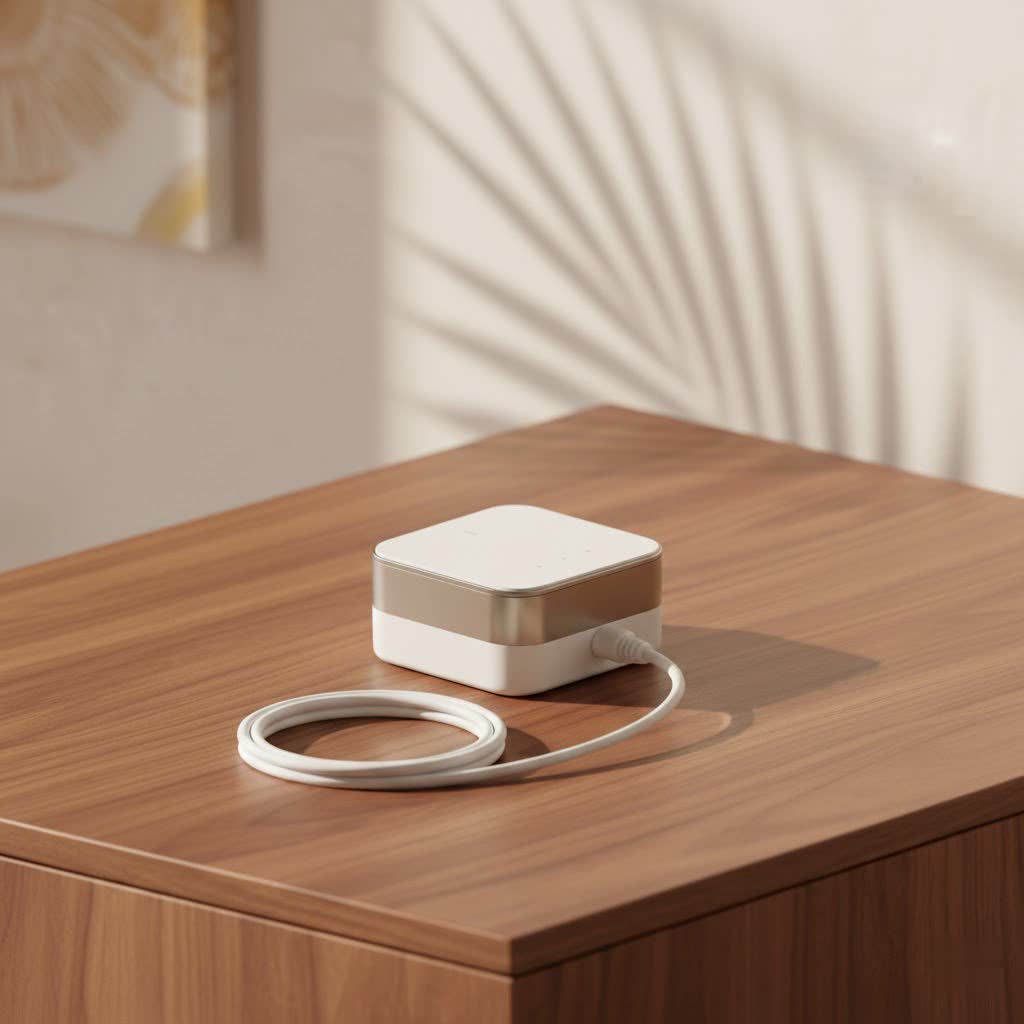
Decoding Wall Plug Types: More Than Just an Outlet
Gone are the days when a phone charger wall plug was a one-size-fits-all affair. The evolution of charging technology has brought us several distinct types, each with its own advantages.
The Classic USB-A Wall Plug
|
Our Picks for the Best Wall Charger in 2026
As an Amazon Associate I earn from qualifying purchases.
|
||
| Num | Product | Action |
|---|---|---|
| 1 | JcBlaon Outlet Extender Surge Protector - 6 Outlet Splitter with 4 USB Ports (2 USB C), Multiple Plug Expander Wall Charger, 3 Sided Multi Plug Wall Adapter Power Strip for Home Office Kitchen Travel |

|
| 2 | USB C Wall Charger Block, 2Pack 60W 5-Port C Charger Fast Charging Block PD Power Adapter +QC 3.0 Multiport Type C Box Brick Cube USB A Wall Plug for iPhone 15/16/17 Pro Max Plus, iPad,Samsung Galaxy |
|
| 3 | 128W USB C Wall Charger,GaN III 3-Port Fast Charging Station,PD QC Foldable Charger Block Portable 65W Laptop Adapter for MacBook Pro/Air,iPad Pro,Galaxy S23,Dell XPS 13,iPhone 17/16/Pro etc |
|
| 4 | Surge Protector Outlet Extender - with Rotating Plug, 6 AC Multi Plug Outlet with 4 USB Ports (2 USB C), 1800J Wall Charger, 3-Sided Power Strip with Spaced Outlet Splitter for Home, Office, Travel |
|
| 5 | Anker Nano 47W USB C Charger, 2 Port Compact Foldable GaN Charger for iPhone 17 / 16, Galaxy, Pixel, Compatible with MagSafe (White) |
|
| 6 | LCGENS USB C Wall Charger Block 20W, 2-Pack Dual Port PD Power Delivery Fast Type C Charging Block Plug Compatible with iPhone 11/12/13/14/15/16/17 Pro Max, XS/XR/X, Ipad Pro, Samsung Galaxy |
|
| 7 | USB Wall Charger, LUOATIP 3-Pack 2.1A 5V Dual Port Cube Power Adapter Plug Block Charging Box Brick for iPhone 14 13 12 11 Pro Max SE XS XR X 8 7 6 6S Plus, Galaxy, LG, Moto, Android Phones |
|
| 8 | iPhone Fast Charger 3+3Pack 20W USB C Wall Charger with 6FT Fast Charging Cable Compatible with iPhone 14/13/12/11/Pro/Pro Max |
|
| 9 | 2 Pack USB C Charger Block, Dual Port Type C Wall Charger Fast Charging 20W Power Adapter Cube for iPhone 14/14 Pro/14 Pro Max/14 Plus/13/12/11, XS/XR/X, iPad, Samsung, More |
|
| 10 | 2Pack USB C Fast Charger Block, 60W 5-Port USB C Wall Charger 30W Type C Charging Block, 2USB C+3USB A PPS/PD 3.0 Multiport Charging Cube for iPhone 17 16 15 14 Pro Max,for Galaxy S25 S24 Ultra, i Pad |
|
For years, the rectangular USB-A port was the standard for almost every phone charger wall plug. These are still incredibly common, found on many older devices and basic chargers. They’re reliable for standard charging speeds, but when it comes to rapid power delivery, they often fall short compared to their newer counterparts. If you’re still using a charger with only USB-A ports, you might be missing out on faster charging times, especially for newer smartphones and tablets.
The Future-Forward USB-C Phone Charger Wall Plug
USB-C has rapidly become the universal standard, and for good reason. A USB-C phone charger wall plug is reversible, meaning there’s no “wrong way” to plug it in – a small but mighty convenience. More importantly, USB-C supports higher power delivery, often enabling much faster charging speeds, particularly when paired with technologies like Power Delivery (PD). Most modern smartphones, laptops, and tablets now feature USB-C, making these wall plugs essential for keeping up with current tech.
GaN Chargers: Small Size, Big Power
If you’ve noticed wall plugs getting smaller and more powerful lately, you’ve likely encountered a GaN charger. GaN stands for Gallium Nitride, a semiconductor material that replaces traditional silicon in charger components. This allows manufacturers to create significantly smaller, lighter, and more efficient phone charger wall plugs that can handle much higher power outputs without overheating. They’re perfect for travelers, minimalists, or anyone who wants a powerful charger that won’t hog precious outlet space.
Understanding Charging Power and Speed
Beyond the port type, the most critical factor influencing how quickly your device powers up is the charger’s power output, typically measured in watts (W).
Wattage and Amperage Explained
Think of wattage as the total “oomph” your phone charger wall plug can deliver. It’s a combination of voltage (V), which is the electrical pressure, and amperage (A), which is the electrical current. A higher wattage generally means faster charging, provided your device can accept that power. For example, a 65W wall plug can charge a compatible laptop or smartphone much faster than a standard 10W charger. It’s essential to match the charger’s wattage to your device’s needs, but don’t worry – modern devices and smart chargers will only draw the power they can safely handle.
Fast Charging Technologies (PD, QC): What You Need to Know
Many modern phone charger wall plugs boast “fast charging.” But what does that actually mean?
- USB Power Delivery (PD): This is the industry standard for fast charging, especially prevalent with USB-C. PD allows the charger and the device to communicate and negotiate the optimal power level, often reaching speeds of 18W, 30W, 45W, 65W, or even 100W+. It’s incredibly efficient and supports a wide range of devices, from phones to powerful laptops.
- Qualcomm Quick Charge (QC): Primarily found in Android phones using Qualcomm chipsets, Quick Charge is another popular fast-charging protocol. While not as universally adopted as PD, many multi-port wall plugs support both QC and PD, offering versatile fast charging options.
How does my phone charger wall plug affect charging speed?
Your phone charger wall plug is the primary determinant of charging speed. A charger with a higher wattage and compatible fast-charging technology (like PD or QC) will deliver more power to your device, significantly reducing charging times. However, the device itself also plays a role; an older phone might not be able to utilize a 65W charger to its full potential, only drawing the maximum power it’s designed for.
Safety First: Certifications and Best Practices
When it comes to electricity, safety is paramount. A cheap, poorly made phone charger wall plug can be a fire hazard, damage your device, or even cause electric shock.
What Safety Certifications Should I Look For?
Always prioritize certified products. Look for markings like:
- UL (Underwriters Laboratories): A North American safety certification that ensures products meet stringent safety standards.
- CE (Conformité Européenne): Indicates compliance with European health, safety, and environmental protection standards.
- FCC (Federal Communications Commission): Certifies that the product’s electromagnetic interference is within limits for sale in the US.
- RoHS (Restriction of Hazardous Substances): A European directive restricting the use of certain hazardous materials in electronic products.
These certifications provide peace of mind that your phone charger wall plug has undergone rigorous testing.
Common Phone Charger Wall Plug Safety Hazards
Beware of counterfeit or unbranded chargers. They often lack crucial safety features like:
- Over-current protection: Prevents too much current from flowing to your device.
- Over-voltage protection: Safeguards against excessively high voltage.
- Short-circuit protection: Automatically shuts off power in case of a short.
- Over-temperature protection: Prevents the charger from overheating.
“A good phone charger wall plug isn’t just about speed; it’s about reliable power and device longevity,” says Dr. Anya Sharma, lead electrical engineer at Innovatech Labs. “Investing in a certified charger protects both your device and your home.”
Choosing the Right Phone Charger Wall Plug for Your Needs
With so many options, picking the perfect phone charger wall plug can feel daunting. Here’s a simple guide to help you make an informed decision.
Compatibility is Key
First and foremost, ensure the wall plug’s output ports match your device’s input. If your phone uses USB-C, you’ll want a USB-C PD phone charger wall plug. While adapters exist, a native USB-C charger will generally provide the best performance. Also, check the wattage; aim for a charger that meets or exceeds your device’s maximum charging input for optimal speed.
Considering Your Devices and Lifestyle
- Single Device User: A compact, single-port PD or QC charger might be all you need.
- Multiple Devices: Look for a multi-port phone charger wall plug, perhaps with a mix of USB-A and USB-C, and enough total wattage to power all your devices simultaneously.
- Traveler: GaN chargers are a game-changer for travel due to their compact size and high power output. Consider models with international plug adapters or interchangeable prongs.
- Laptop User: If you charge your laptop via USB-C, ensure your phone charger wall plug has a high enough wattage (e.g., 65W or more) to power it effectively.
Expert Insight: “A good phone charger wall plug isn’t just about speed; it’s about reliable power and device longevity,” says Dr. Anya Sharma, lead electrical engineer at Innovatech Labs.
Maximizing Longevity: Tips for Using and Maintaining Your Charger
To ensure your phone charger wall plug serves you well for years to come, proper usage and maintenance are essential.
Proper Handling and Storage
- Avoid tugging: Always pull the plug from the outlet, not the cable. Yanking the cable can damage internal wires or the connector.
- Store neatly: Coil cables loosely; don’t tightly wrap or bend them at sharp angles, as this can stress the internal wiring.
- Keep dry: Moisture is the enemy of electronics. Avoid using your charger in damp environments.
- Clean ports: Occasionally, use a dry, non-metallic tool (like a toothpick) to gently clear dust and lint from charging ports.
When to Replace Your Wall Plug
It’s tempting to keep using a charger until it completely gives up the ghost, but there are signs it’s time for a replacement:
- Visible damage: Frayed cables, cracked casings, or bent prongs are serious red flags.
- Overheating: While some warmth is normal, if your phone charger wall plug becomes excessively hot to the touch during charging, it could indicate an internal fault.
- Inconsistent charging: If your device charges sporadically or unusually slowly, the charger might be failing.
- Burning smell or strange noises: Any unusual odors or buzzing/hissing sounds mean you should immediately unplug and replace the charger.
FAQs About Phone Charger Wall Plugs
What is the difference between a wall charger and a power adapter?
In common usage, “wall charger” and “power adapter” are often used interchangeably to refer to the device that plugs into a wall outlet and converts AC power to DC power for your electronic devices. Both terms describe the same essential function.
Can I use any phone charger wall plug with my device?
While you can physically plug in many different chargers, it’s best to use a phone charger wall plug that matches your device’s power requirements and port type for optimal safety and charging speed. Using an underpowered charger will be slow, and an uncertified one can be dangerous.
Are GaN chargers worth the investment?
Absolutely! GaN chargers offer significant advantages like smaller size, lighter weight, and higher power efficiency compared to traditional silicon-based chargers. They are particularly beneficial for travelers or anyone looking to consolidate multiple chargers into one compact, powerful unit.
How can I tell if my phone charger wall plug is authentic?
Look for reputable brands, official safety certifications (UL, CE, FCC), and consistent branding. Be wary of unusually low prices or generic packaging. Authentic chargers often have clear power ratings printed on them.
Why does my phone charger wall plug get hot?
A slight warmth is normal as the charger converts power. However, if your phone charger wall plug gets excessively hot, it could indicate an overloaded circuit, a faulty charger, or an issue with the device itself. Discontinue use if it feels dangerously hot.
Is it safe to leave my phone plugged in overnight?
Yes, modern smartphones and certified phone charger wall plugs have built-in safety features like overcharge protection that stop drawing power once the battery is full. This prevents damage to the battery and the device, making overnight charging generally safe.
Conclusion
Choosing the right phone charger wall plug is more than just a minor detail; it’s an investment in the longevity and performance of your devices. By understanding the different types, the importance of wattage and fast-charging technologies, and crucial safety certifications, you can confidently select a charger that meets your needs. Remember, a reliable phone charger wall plug provides not just power, but peace of mind. So, take a moment to evaluate your current setup, upgrade where necessary, and enjoy the benefits of safe, efficient, and fast charging. Your devices – and your patience – will thank you!
