In our hyper-connected world, a reliable Wall Charger isn’t just an accessory; it’s the lifeline that keeps our smartphones, tablets, and laptops running. But with an overwhelming array of options – from different port types and charging technologies to varying power outputs and safety standards – choosing the right wall charger can feel like navigating a complex maze. Don’t worry, you’re in the right place. As your trusted experts at SYFCA.com, we’re here to demystify the world of mobile charging, ensuring you make informed choices that are both safe and efficient.
Understanding the Core: What Exactly is a Wall Charger?
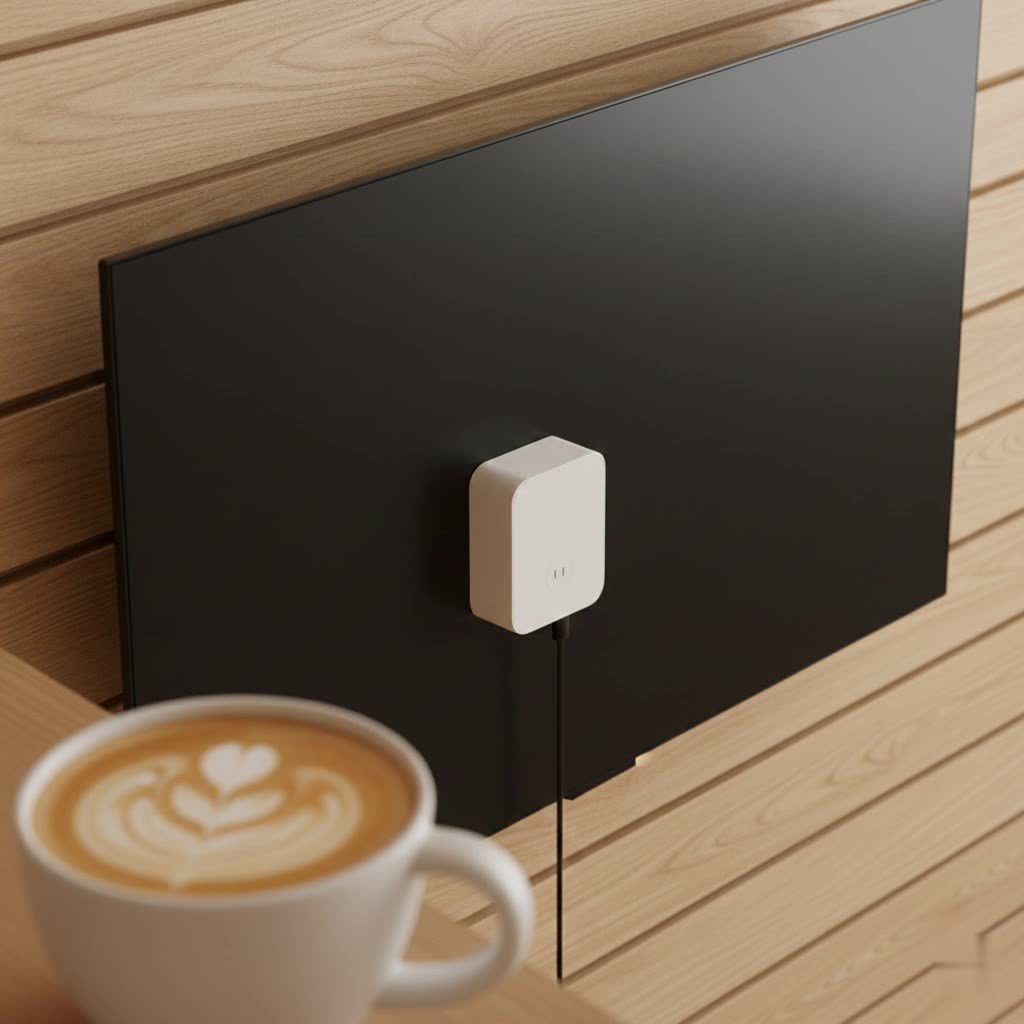
At its heart, a wall charger (often referred to as a power adapter or charging brick) is a device that converts the alternating current (AC) from your wall socket into the direct current (DC) that your electronic devices need to charge their internal batteries. It typically consists of a plug that goes into the wall and one or more USB ports where you connect your charging cable. The magic happens inside, where complex circuitry safely regulates the voltage and current delivered to your precious gadgets.
The Evolution of Power: Types of Wall Chargers You Need to Know
The charging landscape has changed dramatically over the years, leading to various types of wall charger technologies, each with its own advantages.
Traditional USB-A Chargers: The Reliable Old Guard
|
Our Picks for the Best Wall Charger in 2026
As an Amazon Associate I earn from qualifying purchases.
|
||
| Num | Product | Action |
|---|---|---|
| 1 | USB Wall Charger, LUOATIP 3-Pack 2.1A 5V Dual Port Cube Power Adapter Plug Block Charging Box Brick for iPhone 14 13 12 11 Pro Max SE XS XR X 8 7 6 6S Plus, Galaxy, LG, Moto, Android Phones |

|
| 2 | iPhone Fast Charger 3+3Pack 20W USB C Wall Charger with 6FT Fast Charging Cable Compatible with iPhone 14/13/12/11/Pro/Pro Max |
|
| 3 | 128W USB C Wall Charger,GaN III 3-Port Fast Charging Station,PD QC Foldable Charger Block Portable 65W Laptop Adapter for MacBook Pro/Air,iPad Pro,Galaxy S23,Dell XPS 13,iPhone 17/16/Pro etc |
|
| 4 | Surge Protector Outlet Extender - with Rotating Plug, 6 AC Multi Plug Outlet with 4 USB Ports (2 USB C), 1800J Wall Charger, 3-Sided Power Strip with Spaced Outlet Splitter for Home, Office, Travel |
|
| 5 | USB C Wall Charger Block, 2Pack 60W 5-Port C Charger Fast Charging Block PD Power Adapter +QC 3.0 Multiport Type C Box Brick Cube USB A Wall Plug for iPhone 15/16/17 Pro Max Plus, iPad,Samsung Galaxy |
|
| 6 | Anker Nano 47W USB C Charger, 2 Port Compact Foldable GaN Charger for iPhone 17 / 16, Galaxy, Pixel, Compatible with MagSafe (White) |
|
| 7 | 2 Pack USB C Charger Block, Dual Port Type C Wall Charger Fast Charging 20W Power Adapter Cube for iPhone 14/14 Pro/14 Pro Max/14 Plus/13/12/11, XS/XR/X, iPad, Samsung, More |
|
| 8 | 2Pack USB C Fast Charger Block, 60W 5-Port USB C Wall Charger 30W Type C Charging Block, 2USB C+3USB A PPS/PD 3.0 Multiport Charging Cube for iPhone 17 16 15 14 Pro Max,for Galaxy S25 S24 Ultra, i Pad |
|
| 9 | JcBlaon Outlet Extender Surge Protector - 6 Outlet Splitter with 4 USB Ports (2 USB C), Multiple Plug Expander Wall Charger, 3 Sided Multi Plug Wall Adapter Power Strip for Home Office Kitchen Travel |
|
| 10 | LCGENS USB C Wall Charger Block 20W, 2-Pack Dual Port PD Power Delivery Fast Type C Charging Block Plug Compatible with iPhone 11/12/13/14/15/16/17 Pro Max, XS/XR/X, Ipad Pro, Samsung Galaxy |
|
For years, the standard USB-A port was ubiquitous. These chargers are still common, especially for older devices or accessories that don’t require high power. They deliver power in a single direction and at slower speeds compared to newer technologies. While they get the job done for basic charging, they’re typically not ideal if you’re looking for rapid power-ups.
USB-C Chargers: The New Universal Standard
USB-C has emerged as the industry’s new darling, and for good reason. Its reversible connector means no more fumbling to plug it in correctly. More importantly, USB-C ports can support significantly higher power output, making them capable of fast-charging not just phones and tablets, but even laptops. This versatility makes a USB-C wall charger a must-have for modern tech users.
GaN Chargers: Power, Performance, and Portability
Imagine a powerful wall charger that’s surprisingly small and runs cooler. That’s the promise of Gallium Nitride (GaN) technology. Unlike traditional silicon-based chargers, GaN allows for more efficient power transfer and heat dissipation, enabling manufacturers to pack more power into a smaller, lighter form factor. This means you can get a 65W or 100W GaN wall charger that’s often no bigger than an old 15W silicon charger, perfect for travel or decluttering your desk. “GaN technology isn’t just a buzzword; it’s a game-changer for compact, high-power charging,” says Dr. Emily Chen, lead electrical engineer at InnovateCharge Labs.
Decoding Power Delivery: Watts, Volts, and Fast Charging
Understanding the numbers associated with your wall charger is crucial for optimizing your charging experience.
The Power Equation: Watts and Charging Speed
Charging speed is primarily measured in watts (W). Simply put, the higher the wattage, the faster your device can charge. However, your device will only draw as much power as it’s designed to handle. A 60W wall charger won’t necessarily charge your phone six times faster than a 10W one if your phone’s maximum input is 18W. Always check your device’s specifications to determine its optimal charging wattage.
USB Power Delivery (PD): Smart Charging for All Your Gadgets
USB Power Delivery (PD) is a fast-charging protocol that works over USB-C. It allows for a more intelligent negotiation between the wall charger and your device to deliver the maximum safe power level. This means a single USB-C PD wall charger can intelligently power up everything from a small smartphone (e.g., 18W) to a power-hungry laptop (e.g., 100W), automatically adjusting the voltage and current as needed. It’s the standard behind many rapid charging experiences today.
Beyond the Basics: Essential Safety Standards and Certifications
Safety should always be your top priority when selecting any electrical device, and a wall charger is no exception. A poorly manufactured or uncertified charger can pose serious risks, including overheating, short-circuiting, or even fire.
Always look for recognized safety certifications like UL (Underwriters Laboratories), CE (Conformité Européenne), and FCC (Federal Communications Commission). These marks indicate that the wall charger has undergone rigorous testing and meets specific safety and performance standards. Reputable brands integrate multiple layers of protection, such as over-voltage protection, over-current protection, short-circuit protection, and temperature control, safeguarding both your devices and your home.
How to Choose the Perfect Wall Charger for Your Needs
With so many choices, selecting the best wall charger can still feel daunting. Here’s a simple checklist to guide you:
Match Your Device’s Needs: Compatibility is Key
First, identify the charging port on your device (USB-A, USB-C, or proprietary). Then, determine its maximum charging wattage. For example, if you have a laptop that charges at 65W via USB-C, you’ll need a wall charger that can deliver at least 65W through its USB-C PD port. For a smartphone, 20W to 30W is often sufficient for fast charging.
Consider Your Lifestyle: Portability and Multi-Port Options
Are you a frequent traveler? A compact GaN wall charger with multiple USB-C PD ports might be perfect, allowing you to charge your phone, tablet, and laptop with a single, small brick. If you only need to charge one device at your desk, a single-port charger might suffice. Think about how many devices you typically charge simultaneously.
Don’t Skimp on Safety: Always Check for Certifications
As mentioned, prioritize wall charger brands that clearly display safety certifications like UL, CE, and FCC. These aren’t just fancy labels; they’re a testament to the product’s safety and reliability. Avoid unbranded or suspiciously cheap chargers from unknown sources.
Future-Proof Your Setup: Embrace USB-C PD and GaN
Even if your current devices primarily use USB-A, investing in a high-quality USB-C PD wall charger (especially a GaN one) is a smart move. Most new electronics are adopting USB-C, and a versatile PD charger will serve you well for years to come. It’s an investment in convenience and efficiency.
Maximizing Your Charger’s Lifespan: Tips for Use and Maintenance
Even the best wall charger can be damaged by improper handling. Here are some tips to ensure longevity and consistent performance:
- Handle with Care: Always pull the charger from the plug, not the cable, when unplugging it from the wall. Yanking the cable can damage the internal wiring.
- Optimal Environment: Avoid using or storing your wall charger in extreme temperatures or humid conditions. Excessive heat or cold can degrade its components.
- Proper Storage: When not in use, coil cables neatly rather than bending or twisting them sharply. This prevents internal wire damage.
- Inspect Regularly: Periodically check your charger and cables for any signs of wear and tear, such as frayed wires, exposed insulation, or bent pins. Replace them immediately if you notice damage.
- Keep it Clean: Dust and debris can accumulate in charger ports. Use a dry, soft brush to gently clean them, ensuring good contact and preventing overheating.
Frequently Asked Questions About Wall Chargers
Is fast charging bad for my phone’s battery?
No, modern smartphones and wall chargers with intelligent charging protocols (like USB PD) are designed to manage power delivery safely. They reduce charging speed as the battery approaches full, minimizing stress and extending battery lifespan.
Can I use any wall charger with any device?
While you can plug most devices into any USB wall charger, it’s best to match the charger’s output to your device’s needs. Using a low-power charger on a high-power device will simply charge it slowly. Using a high-power charger on a low-power device is generally safe if the charger has smart negotiation (like PD), but the device will only draw what it needs.
What’s the difference between a charging brick and a power adapter?
These terms are often used interchangeably to refer to the main block that plugs into the wall and provides power to a device. “Wall charger” is another common term.
How do I know if my wall charger is GaN?
GaN chargers are typically advertised as such due to their compact size and high power output. Look for “GaN” explicitly mentioned in the product name or specifications. If it’s a small, powerful charger, especially for laptops, it’s likely using GaN technology.
Why does my wall charger get hot?
Some heat generation during charging is normal, especially with fast charging or high-wattage chargers. However, excessive heat to the point of being uncomfortable to touch could indicate a problem with the charger, the cable, or the device, or it might be a sign of a cheap, inefficient wall charger. Discontinue use and investigate.
Power Up Smart, Live Connected
Choosing the right wall charger might seem like a small decision, but it has a huge impact on the safety, efficiency, and longevity of your beloved electronics. By understanding the types, power delivery mechanisms, and crucial safety standards, you can confidently select a wall charger that perfectly fits your lifestyle and devices. Don’t settle for anything less than reliable, safe, and efficient power. Upgrade your charging experience today and enjoy the peace of mind that comes with making a smart choice.
