In our increasingly connected world, where smartphones, tablets, and laptops are practically extensions of ourselves, a reliable “Wall Plug For Charger” is more than just an accessory—it’s an absolute necessity. It’s the unsung hero that keeps our digital lives humming along, ensuring our devices are always ready for action. But with a dizzying array of options, from compact USB-A blocks to powerful GaN wonders, choosing the right wall plug for your charger can feel a bit like navigating a maze. Don’t fret! As experts with over a decade in the charging game, we at SYFCA.com are here to cut through the jargon, making sense of wattages, port types, and safety features so you can confidently pick the perfect wall plug for your charger.
What Exactly is a Wall Plug for Charger?
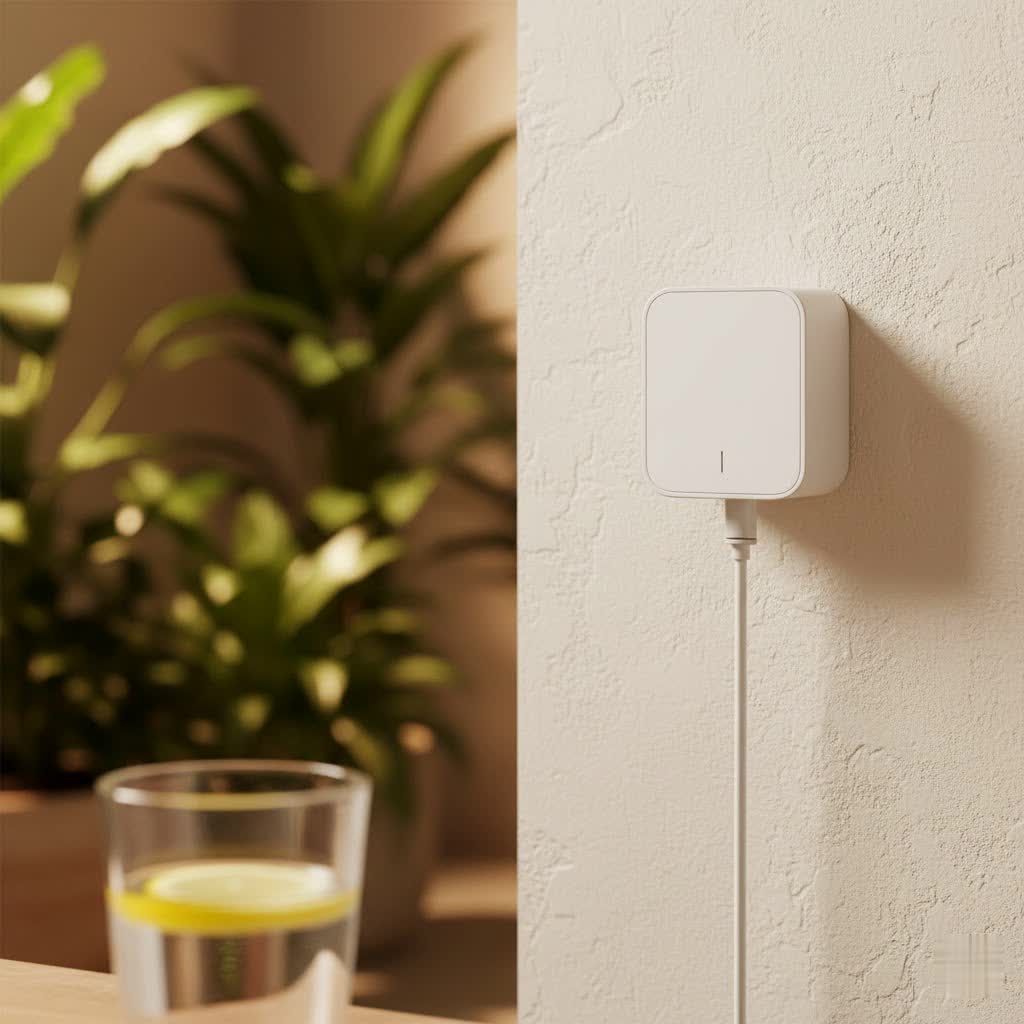
At its core, a wall plug for a charger, often simply called a “wall charger” or “power adapter,” is a device that converts the high-voltage alternating current (AC) from your home’s electrical outlet into a lower-voltage direct current (DC) that your electronic devices can safely use. Think of it as a translator for electricity, ensuring your phone or tablet gets exactly what it needs without being overwhelmed. Without this crucial component, your gadgets would be perpetually out of juice. The right wall plug for your charger ensures consistent and steady power delivery, which is fundamental for both efficient charging and device longevity.
Why You Need a Dedicated Wall Plug for Your Charger
Beyond just converting power, a dedicated wall plug for your charger offers several vital benefits:
- Power Reliability: It provides a stable and consistent power source, essential for maintaining battery health.
- Fast Charging: Most wall chargers today are capable of fast charging, helping you power up quickly when you’re in a hurry.
- Multiple Device Charging: Multi-port wall chargers allow you to charge several gadgets simultaneously, cutting down on clutter and outlet hogging.
- Device Protection: Good wall chargers regulate voltage and current to ensure the safety of your devices.
- Convenience: Simply plug it into any available wall outlet, and you’re ready to power up, whether you’re at home, the office, or traveling.
|
Our Picks for the Best Wall Charger in 2026
As an Amazon Associate I earn from qualifying purchases.
|
||
| Num | Product | Action |
|---|---|---|
| 1 | 2Pack USB C Fast Charger Block, 60W 5-Port USB C Wall Charger 30W Type C Charging Block, 2USB C+3USB A PPS/PD 3.0 Multiport Charging Cube for iPhone 17 16 15 14 Pro Max,for Galaxy S25 S24 Ultra, i Pad |

|
| 2 | Surge Protector Outlet Extender - with Rotating Plug, 6 AC Multi Plug Outlet with 4 USB Ports (2 USB C), 1800J Wall Charger, 3-Sided Power Strip with Spaced Outlet Splitter for Home, Office, Travel |
|
| 3 | Anker Nano 47W USB C Charger, 2 Port Compact Foldable GaN Charger for iPhone 17 / 16, Galaxy, Pixel, Compatible with MagSafe (White) |
|
| 4 | LCGENS USB C Wall Charger Block 20W, 2-Pack Dual Port PD Power Delivery Fast Type C Charging Block Plug Compatible with iPhone 11/12/13/14/15/16/17 Pro Max, XS/XR/X, Ipad Pro, Samsung Galaxy |
|
| 5 | 2 Pack USB C Charger Block, Dual Port Type C Wall Charger Fast Charging 20W Power Adapter Cube for iPhone 14/14 Pro/14 Pro Max/14 Plus/13/12/11, XS/XR/X, iPad, Samsung, More |
|
| 6 | JcBlaon Outlet Extender Surge Protector - 6 Outlet Splitter with 4 USB Ports (2 USB C), Multiple Plug Expander Wall Charger, 3 Sided Multi Plug Wall Adapter Power Strip for Home Office Kitchen Travel |
|
| 7 | USB Wall Charger, LUOATIP 3-Pack 2.1A 5V Dual Port Cube Power Adapter Plug Block Charging Box Brick for iPhone 14 13 12 11 Pro Max SE XS XR X 8 7 6 6S Plus, Galaxy, LG, Moto, Android Phones |
|
| 8 | USB C Wall Charger Block, 2Pack 60W 5-Port C Charger Fast Charging Block PD Power Adapter +QC 3.0 Multiport Type C Box Brick Cube USB A Wall Plug for iPhone 15/16/17 Pro Max Plus, iPad,Samsung Galaxy |
|
| 9 | 128W USB C Wall Charger,GaN III 3-Port Fast Charging Station,PD QC Foldable Charger Block Portable 65W Laptop Adapter for MacBook Pro/Air,iPad Pro,Galaxy S23,Dell XPS 13,iPhone 17/16/Pro etc |
|
| 10 | iPhone Fast Charger 3+3Pack 20W USB C Wall Charger with 6FT Fast Charging Cable Compatible with iPhone 14/13/12/11/Pro/Pro Max |
|
Navigating the World of Wall Charger Types
The landscape of wall plugs for chargers has evolved dramatically over the years. Gone are the days of a single, universal charging brick. Today, we have a variety of types, each with its own strengths and ideal use cases.
USB-A Chargers: The Reliable Old-Timer
For years, the rectangular USB-A port was the standard for almost all consumer electronics. These wall plugs typically offer lower wattages, usually between 5W and 12W. They are perfectly fine for slower overnight charging, keeping accessories powered, or for older devices that don’t support modern fast-charging protocols. You’ll find these wall plugs for chargers bundled with many older phones or used for charging basic peripherals. However, if you’re looking for rapid charging for a newer smartphone or tablet, a USB-A wall plug might leave you waiting a while.
USB-C Chargers: The Modern Powerhouse
USB-C has become the new industry standard, and for good reason. Its reversible design means no more fumbling to plug in your cable correctly, and it supports significantly higher power delivery, often ranging from 20W up to 100W or even more. This makes a USB-C wall plug for a charger suitable for fast-charging smartphones, tablets, and even many laptops. Most new devices today, including many Android phones, iPads, and modern laptops, utilize the USB-C standard.
GaN Chargers: Small Size, Big Power
Enter Gallium Nitride (GaN) technology, a game-changer in the world of wall plugs for chargers. Traditionally, chargers used silicon components, but GaN is a newer semiconductor material that is far more efficient at conducting electricity.
What does this mean for you?
- Smaller and Lighter: GaN components can be packed much closer together, allowing manufacturers to create significantly smaller and lighter wall plugs that still deliver high power outputs. This is a huge win for portability!
- More Efficient, Less Heat: GaN is better at managing electricity, meaning less energy is wasted as heat during the charging process. This keeps the charger cooler, which is safer and can extend its lifespan.
- Fast Charging Capabilities: With a higher power density, GaN chargers can deliver power more quickly and efficiently.
“GaN technology has revolutionized how we approach portable power. The ability to deliver robust charging in such a compact form factor means you no longer have to compromise between power and portability,” says Anya Sharma, a leading expert in power electronics at SYFCA.com.
The Power Duo: GaN and Power Delivery (PD)
It’s common to see “GaN” and “PD” mentioned together, and there’s often confusion about their relationship. Simply put, they are not competing technologies but rather complementary ones.
- GaN refers to the hardware—the advanced materials used inside the wall plug for your charger, making it smaller and more efficient.
- Power Delivery (PD) is the software or protocol—the intelligent communication system that allows the charger and your device to negotiate the most efficient charging rate.
The best modern wall plugs for chargers integrate both. A GaN wall plug provides the efficient physical structure, while PD ensures that power is delivered optimally, quickly, and safely to compatible devices. This dynamic duo provides the most advanced and desirable charging experience available today.
Understanding Charging Power and Speed (Wattage)
When selecting a wall plug for your charger, one of the most critical specifications to understand is wattage (W). Wattage measures the rate of electrical energy transfer and directly determines how much power your charger can deliver to your device.
Why Wattage Matters
Higher wattages generally mean faster charging. For example, a 20W charger will charge a compatible device significantly faster than a 5W charger. However, it’s not simply a “more is better” situation. Your device will only draw the power it needs and is designed to handle.
- Most smartphones perform optimally with chargers in the 5W-20W range.
- Tablets often require 30W or more for effective charging.
- Laptops can demand much higher wattages, typically ranging from 45W to 100W or even beyond.
The Role of Fast Charging Protocols
To achieve truly fast charging, your wall plug for a charger, your charging cable, and your device must all support the same fast charging protocol. The most common ones include:
- USB Power Delivery (USB-PD): This is the prevalent standard for fast charging many modern smartphones, tablets, and laptops, especially those with USB-C ports. It allows for flexible power output and smart negotiation between the charger and device.
- Qualcomm Quick Charge (QC): Primarily found in Android devices, Quick Charge technology enables faster charging by optimizing voltage and current delivery.
The Effect of Mismatched Wattage
What happens if you use a wall plug for a charger with a different wattage than your device’s recommendation?
- Higher Wattage Charger, Lower Wattage Device: This is generally safe. For instance, if you use a 45W wall plug for a charger on a phone that only needs 20W, the phone will simply draw its required 20W without harm.
- Lower Wattage Charger, Higher Wattage Device: This can lead to issues. An underpowered wall plug for a charger will result in very slow charging, and in some cases, it might not even keep up with the device’s power consumption, especially if you’re using it while charging. Prolonged use of an underpowered charger could potentially strain the device’s battery over time, though severe damage is less common than with overvoltage.
Safety First: Essential Standards and Certifications
When dealing with electricity, safety is paramount. A good wall plug for a charger isn’t just about speed and efficiency; it’s about protecting your devices and, more importantly, yourself.
Crucial Safety Features to Look For
Reputable wall plugs for chargers incorporate several built-in safety mechanisms:
- Overcurrent Protection (OCP): Prevents the charger from delivering too much current, which could damage your device.
- Overvoltage Protection (OVP): Safeguards against excessive voltage, a common cause of device damage.
- Overheating Protection (OTP): Monitors the charger’s temperature and shuts it down or reduces power if it gets too hot, preventing fire hazards and extending the charger’s life.
- Short-Circuit Protection (SCP): Protects against damage if a short circuit occurs in the cable or device.
The Importance of Certifications
Always look for wall plugs for chargers that have certifications from recognized safety organizations. These certifications indicate that the product has undergone rigorous testing and meets strict safety and quality standards. Common certifications include:
- UL (Underwriters Laboratories): A North American safety certification.
- CE (Conformité Européenne): Indicates conformity with European health, safety, and environmental protection standards.
- RoHS (Restriction of Hazardous Substances): Ensures that the product does not contain certain hazardous materials.
As experts in the field, we strongly recommend purchasing your wall plug for a charger from reputable brands. Counterfeit or generic chargers often lack these critical safety features, posing significant risks like overheating, electric shocks, or even fires. It’s an area where saving a few dollars is simply not worth the potential danger.
Your Personal Checklist: How to Choose the Perfect Wall Plug for Charger
With all this information, let’s put it into practice. Here’s a simple checklist to guide you in choosing the ideal wall plug for your charger:
-
Identify Your Device’s Needs:
- Wattage: Check your device’s manual or current charger for its recommended wattage. This is your primary guide.
- Port Type: Do you need USB-A, USB-C, or both? Newer devices predominantly use USB-C.
- Fast Charging Protocol: Does your device support USB-PD, Quick Charge, or another proprietary standard? Ensure your charger matches.
-
Consider Your Charging Habits:
- Number of Devices: Do you need a single-port charger or a multi-port hub to charge several gadgets at once?
- Portability: If you travel frequently, a compact GaN wall plug for your charger will be a lifesaver.
- Location: Will you mainly use it at home, in the office, or need something robust for on-the-go?
-
Prioritize Safety:
- Safety Features: Look for chargers with overcurrent, overvoltage, overheating, and short-circuit protection.
- Certifications: Always choose products with UL, CE, or RoHS certifications.
- Brand Reputation: Stick to well-known, trusted brands to ensure quality and safety.
-
Think About Future-Proofing:
- Investing in a high-wattage, multi-port GaN USB-C PD wall plug for a charger can cover your current and future devices, minimizing the need for multiple adapters.
Maximizing Lifespan: Tips for Using and Maintaining Your Wall Charger
A quality wall plug for your charger is an investment. Here’s how to ensure it serves you well for years to come:
- Handle with Care: Always grasp the plug itself when inserting or removing it from an outlet, rather than pulling on the cable. This prevents damage to both the plug and the cord.
- Avoid Extreme Temperatures: Don’t leave your wall plug for charger in direct sunlight, a hot car, or extremely cold environments. High heat can degrade internal components and reduce efficiency.
- Unplug When Not in Use: While modern chargers are designed to be safe, unplugging them when not actively charging can conserve a tiny bit of energy and reduce wear and tear.
- Use Compatible Cables: A high-quality cable that matches the charging protocol and power output of your wall plug for charger is just as important as the charger itself for optimal performance and safety.
- Keep it Clean: Occasionally wipe down your wall plug for a charger to remove dust and grime, especially around the ports.
Frequently Asked Questions About Wall Plugs for Chargers
Q1: Can I use a higher wattage wall plug for my phone?
Yes, generally. Your smartphone will only draw the wattage it needs. So, using a 65W wall plug for a charger on a phone that supports 20W fast charging is perfectly safe; your phone will simply draw 20W. This often means faster charging for compatible devices and versatility for higher-power gadgets like laptops.
Q2: What is the difference between USB-A and USB-C wall plugs?
USB-A is the older, rectangular port, typically offering slower charging speeds (5W-12W). USB-C is the newer, reversible, oval-shaped port that supports much higher power delivery (20W-100W+) and faster charging protocols like Power Delivery. Most modern devices use USB-C.
Q3: Are GaN chargers really better?
Yes, GaN chargers offer significant advantages. They are physically smaller, lighter, run cooler, and are more energy-efficient than traditional silicon-based chargers, especially for high-wattage outputs. This makes them ideal for powerful yet portable charging solutions.
Q4: How do I know if my device supports fast charging?
Check your device’s user manual or the manufacturer’s official website. It will specify the supported fast charging standards (e.g., USB Power Delivery, Qualcomm Quick Charge) and the maximum wattage for fast charging.
Q5: Why does my wall plug get hot?
It’s normal for wall plugs for chargers to get slightly warm during use, as some energy is converted to heat. However, if your charger becomes excessively hot to the touch, it could indicate an issue like overloading, a faulty charger, or a poor-quality cable. Discontinue use and check for certified alternatives.
Q6: Do I need a different wall plug for international travel?
For international travel, you’ll need a wall plug for a charger that supports wide voltage input (typically “AC 100-240V 50/60Hz,” which most modern chargers do). You’ll also need a physical plug adapter to fit the specific wall sockets in the country you’re visiting. This adapter does not change voltage, so ensure your charger handles the local voltage.
Conclusion
Choosing the right wall plug for your charger is a small decision with a big impact on your daily life. By understanding the different types—from versatile USB-C to revolutionary GaN technology—and prioritizing essential factors like wattage, charging protocols, and crucial safety certifications, you empower yourself to make informed choices. A well-chosen wall plug for your charger not only ensures your devices are powered up efficiently and safely but also extends their lifespan and enhances your overall charging experience. So, take a moment, assess your needs, and confidently select the perfect wall plug for your charger—because a world without power is a world on pause.
