Are you tired of bulky wall chargers monopolizing your outlets, snagging on furniture, or bulging out of your travel bag? If you’ve ever wished for a more discreet and practical solution, then the Flat Usb Wall Charger is about to become your new best friend. Here at SYFCA.com, we understand the nuances of powering your devices, and in this comprehensive guide, we’ll dive deep into why these sleek powerhouses are revolutionizing how we charge.
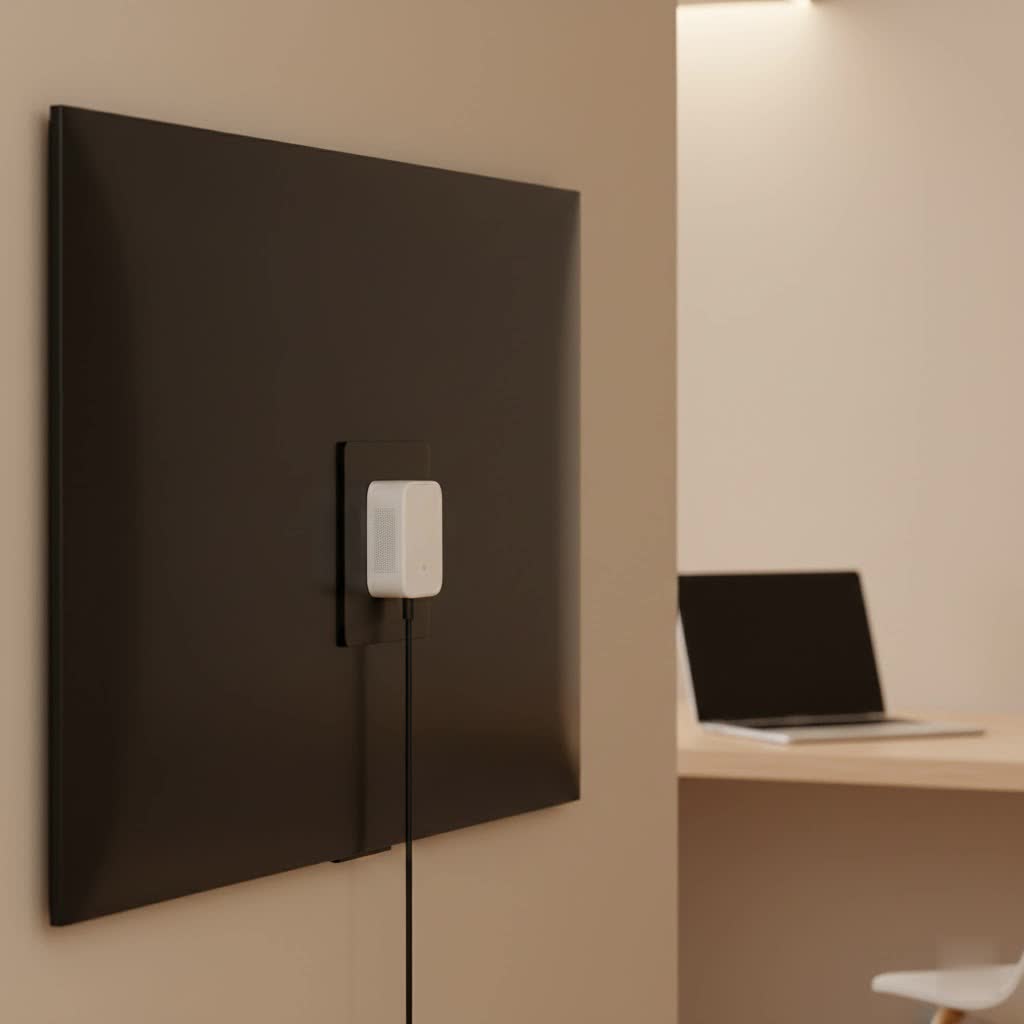
What Exactly is a Flat USB Wall Charger?
|
Our Picks for the Best Wall Charger in 2026
As an Amazon Associate I earn from qualifying purchases.
|
||
| Num | Product | Action |
|---|---|---|
| 1 | 2 Pack USB C Charger Block, Dual Port Type C Wall Charger Fast Charging 20W Power Adapter Cube for iPhone 14/14 Pro/14 Pro Max/14 Plus/13/12/11, XS/XR/X, iPad, Samsung, More |

|
| 2 | Surge Protector Outlet Extender - with Rotating Plug, 6 AC Multi Plug Outlet with 4 USB Ports (2 USB C), 1800J Wall Charger, 3-Sided Power Strip with Spaced Outlet Splitter for Home, Office, Travel |
|
| 3 | USB Wall Charger, LUOATIP 3-Pack 2.1A 5V Dual Port Cube Power Adapter Plug Block Charging Box Brick for iPhone 14 13 12 11 Pro Max SE XS XR X 8 7 6 6S Plus, Galaxy, LG, Moto, Android Phones |
|
| 4 | USB C Wall Charger Block, 2Pack 60W 5-Port C Charger Fast Charging Block PD Power Adapter +QC 3.0 Multiport Type C Box Brick Cube USB A Wall Plug for iPhone 15/16/17 Pro Max Plus, iPad,Samsung Galaxy |
|
| 5 | JcBlaon Outlet Extender Surge Protector - 6 Outlet Splitter with 4 USB Ports (2 USB C), Multiple Plug Expander Wall Charger, 3 Sided Multi Plug Wall Adapter Power Strip for Home Office Kitchen Travel |
|
| 6 | Anker Nano 47W USB C Charger, 2 Port Compact Foldable GaN Charger for iPhone 17 / 16, Galaxy, Pixel, Compatible with MagSafe (White) |
|
| 7 | 2Pack USB C Fast Charger Block, 60W 5-Port USB C Wall Charger 30W Type C Charging Block, 2USB C+3USB A PPS/PD 3.0 Multiport Charging Cube for iPhone 17 16 15 14 Pro Max,for Galaxy S25 S24 Ultra, i Pad |
|
| 8 | LCGENS USB C Wall Charger Block 20W, 2-Pack Dual Port PD Power Delivery Fast Type C Charging Block Plug Compatible with iPhone 11/12/13/14/15/16/17 Pro Max, XS/XR/X, Ipad Pro, Samsung Galaxy |
|
| 9 | iPhone Fast Charger 3+3Pack 20W USB C Wall Charger with 6FT Fast Charging Cable Compatible with iPhone 14/13/12/11/Pro/Pro Max |
|
| 10 | 128W USB C Wall Charger,GaN III 3-Port Fast Charging Station,PD QC Foldable Charger Block Portable 65W Laptop Adapter for MacBook Pro/Air,iPad Pro,Galaxy S23,Dell XPS 13,iPhone 17/16/Pro etc |
|
At its core, a flat USB wall charger is designed with a significantly reduced profile compared to traditional brick-style chargers. This innovative form factor often extends the charging “brick” along the wall instead of protruding outwards, or simply uses a much thinner internal design. The goal? To offer a more streamlined, space-efficient, and often more aesthetically pleasing way to power up your smartphones, tablets, laptops, and a myriad of other electronic gadgets. It’s all about clever engineering that allows for maximum power in a minimal footprint.
The Benefits of Going Flat: Why Design Matters
Choosing a flat USB wall charger isn’t just about aesthetics; it’s about practical advantages that enhance your daily charging experience.
Space-Saving and Unobtrusive Design
Why do flat chargers make so much sense?
They are incredibly useful in tight spaces. Think about those wall outlets behind your sofa, bed, or desk. A traditional charger can push furniture away from the wall, creating awkward gaps or even damaging the plug. A flat charger, on the other hand, sits flush against the wall, allowing furniture to remain snugly in place. This design also prevents accidental dislodging of the charger, a common frustration in busy areas.
Enhanced Portability for the Modern Traveler
How does a flat charger improve travel?
For anyone constantly on the go, a flat USB wall charger is a game-changer. Its slim profile means it slips effortlessly into laptop sleeves, backpack pockets, or even small clutches without creating bulky lumps. This makes packing much more efficient, leaving more room for other essentials. Plus, many flat chargers feature foldable prongs, further minimizing their travel footprint.
Aesthetic Appeal and Seamless Integration
Why are flat chargers becoming so popular in home and office setups?
In a world increasingly focused on minimalist design and clean aesthetics, a flat charger blends seamlessly into any environment. It doesn’t draw attention to itself, maintaining a tidy look in your living room, kitchen, or office. No more unsightly bricks jutting out, disrupting your carefully curated space. It’s a subtle yet significant upgrade to your home’s tech infrastructure.
Key Technologies and Features to Look For
Not all flat USB wall chargers are created equal. Understanding the underlying technologies and key features will help you pick the perfect one for your needs.
USB-A vs. USB-C Ports: What’s the Difference?
What types of ports should I look for?
Most modern flat chargers offer a combination of USB-A and USB-C ports. USB-A is the classic rectangular port, widely compatible with older devices. USB-C, with its reversible oval design, is the current standard for fast charging and power delivery for newer smartphones, tablets, and even laptops. For future-proofing and versatility, prioritize chargers with at least one USB-C port, ideally supporting Power Delivery (PD).
Power Delivery (PD) & Fast Charging: Get Juiced Up Quicker
Why is Power Delivery important for flat chargers?
Power Delivery (PD) is a USB standard that allows for higher power transfer over USB-C connections, enabling significantly faster charging for compatible devices. Many flat USB wall chargers integrate PD technology, meaning you can power up your iPhone from 0% to 50% in about 30 minutes, or even charge a demanding laptop with the right wattage. Always check the wattage (W) output – higher wattage means faster charging for more power-hungry devices.
GaN Technology Integration: Small Size, Big Power
What is GaN technology and why does it matter for flat chargers?
GaN (Gallium Nitride) is a semiconductor material that has revolutionized charger design. Unlike traditional silicon, GaN allows chargers to be much smaller, lighter, and more efficient, all while handling higher power outputs and generating less heat. This is precisely what enables many of today’s incredibly compact and powerful flat USB wall chargers. If you want the smallest, most powerful flat charger, look for “GaN” in the product description. “It’s truly a game-changer for miniaturizing high-wattage chargers,” notes Dr. Evelyn Reed, Lead Charging Technology Analyst at SYFCA.com.
Safety Certifications: Peace of Mind for Your Devices
How can I ensure my flat charger is safe?
Safety should always be a top priority. Look for certifications from recognized safety organizations such as UL (Underwriters Laboratories), CE (Conformité Européenne), and FCC (Federal Communications Commission). These certifications indicate that the charger meets rigorous safety standards, providing protection against over-current, over-voltage, short-circuiting, and overheating. A reliable flat USB wall charger will clearly display these marks.
Choosing the Right Flat USB Wall Charger for You
With so many options, how do you pick the perfect flat USB wall charger?
1. Assess Your Devices and Charging Needs
What devices will I be charging?
Consider all the devices you intend to charge: smartphone, tablet, smartwatch, laptop, e-reader, headphones. Identify their charging requirements (e.g., iPhone needs 20W for fast charging, a laptop might need 60W or more). This will guide your decision on the necessary wattage and port types.
2. Determine Required Wattage and Number of Ports
How much power and how many ports do I need?
If you only need to charge a phone, a single 20W USB-C flat charger might suffice. For multiple devices or a laptop, look for multi-port chargers with higher total wattage (e.g., 65W or 100W) and at least one high-power USB-C PD port. Some flat chargers offer multiple USB-C ports, allowing simultaneous fast charging of several devices.
3. Consider Your Lifestyle: Travel vs. Home Use
Is this for home or travel?
For frequent travelers, prioritize ultra-compact designs with foldable prongs and international voltage compatibility (100-240V). For home or office use, you might prioritize a higher number of ports and a sleek design that blends with your decor.
4. Read Reviews and Check Brand Reputation
Where can I find reliable information on chargers?
Always consult independent reviews and check the brand’s reputation. Established brands known for quality and safety are generally a safer bet. Look for feedback on charging performance, heat management, and durability to ensure your flat USB wall charger will last.
Tips for Using and Maintaining Your Flat USB Wall Charger
To ensure longevity and optimal performance from your flat USB wall charger, follow these simple tips:
- Use Quality Cables: A great charger needs a great cable. Invest in high-quality USB-C or USB-A cables that are rated for the power output of your charger to ensure efficient and safe charging.
- Avoid Overloading: While multi-port chargers are convenient, be mindful of their total output capacity. If you plug in too many power-hungry devices simultaneously, the charging speed for each device might decrease, or the charger could overheat if it’s not well-designed.
- Keep it Clean and Dry: Dust and moisture can affect charger performance and safety. Regularly wipe your charger with a dry cloth and ensure it’s used in a dry environment.
- Store Properly: When traveling, store your flat USB wall charger in a dedicated pouch or compartment to protect it from physical damage and prevent prongs from scratching other items.
Flat USB Wall Chargers: Dispelling Common Myths
Let’s address a few misconceptions about flat USB wall chargers:
- Myth: Flat chargers are less powerful than bulky ones.
- Fact: Thanks to GaN technology, many flat chargers offer the same or even greater power output than larger, older silicon-based chargers.
- Myth: They overheat easily due to their compact size.
- Fact: Reputable flat chargers, especially those with GaN tech, are designed with advanced thermal management systems to dissipate heat efficiently, often running cooler than their traditional counterparts.
- Myth: They are more expensive for no good reason.
- Fact: While some advanced GaN flat chargers might have a slightly higher upfront cost, their benefits in terms of space-saving, portability, and efficient fast charging often justify the investment over time, offering excellent value.
The Future of Charging: Why Flat is Here to Stay
The trend towards miniaturization and efficiency in electronics is undeniable, and the flat USB wall charger is a perfect embodiment of this evolution. As GaN technology continues to advance and become more affordable, we can expect even smaller, more powerful, and feature-rich flat chargers to hit the market. They represent a smart, forward-thinking solution for powering our increasingly mobile and connected lives, seamlessly integrating into both our high-tech setups and our everyday routines. “The flat design isn’t just a gimmick; it’s a testament to how intelligent engineering can solve real-world problems for consumers,” states Dr. Reed.
Conclusion
From decluttering your outlets to simplifying your travel routine, the flat USB wall charger offers a compelling blend of practicality, efficiency, and elegant design. By understanding the key technologies like GaN and Power Delivery, and knowing what features to prioritize, you can confidently choose the perfect flat charger to meet your needs. It’s time to upgrade your charging experience and embrace the sleek, powerful future that flat chargers offer. Make the switch, enjoy the space, and keep your devices powered up, safely and efficiently, with a charger that truly fits your life.
Frequently Asked Questions (FAQ)
Q1: Are flat USB wall chargers compatible with all my devices?
A1: Most flat USB wall chargers are universally compatible with devices that charge via USB-A or USB-C. However, always check the charger’s wattage output to ensure it meets the power requirements of your specific devices, especially for laptops or fast-charging phones, to achieve optimal charging speeds.
Q2: What is the main advantage of a flat USB wall charger over a standard brick charger?
A2: The primary advantage is its low-profile design, which allows it to sit flush against the wall, making it ideal for tight spaces behind furniture. This design also enhances portability, making it easier to pack for travel without adding bulk.
Q3: Do flat USB wall chargers support fast charging?
A3: Yes, many flat USB wall chargers incorporate advanced technologies like Power Delivery (PD) and Quick Charge, especially through USB-C ports, enabling them to provide rapid charging speeds for compatible smartphones, tablets, and even some laptops. Look for chargers explicitly stating PD or Quick Charge support.
Q4: Is GaN technology necessary in a flat USB wall charger?
A4: While not strictly “necessary” for every flat charger, GaN (Gallium Nitride) technology is highly beneficial. It allows chargers to be significantly smaller, lighter, and more efficient while handling higher power outputs, making it a key enabler for the most compact and powerful flat USB wall chargers available today.
Q5: How many ports should my flat USB wall charger have?
A5: The ideal number of ports depends on your charging habits. If you typically charge one or two devices, a dual-port charger (one USB-A, one USB-C) might be sufficient. For multiple devices or if you travel with family, a multi-port charger with 3 or more ports, including high-wattage USB-C PD ports, would be more practical.
