A portable wall plug charger is a versatile device that combines the functionality of a wall adapter with a portable power bank, or it is an ultra-compact, high-wattage wall charger optimized for travel. These devices are essential for modern life because they provide flexible power solutions for multiple gadgets, such as smartphones, tablets, and laptops, whether you are near an outlet or on the go.
What Exactly is a Portable Wall Plug Charger?
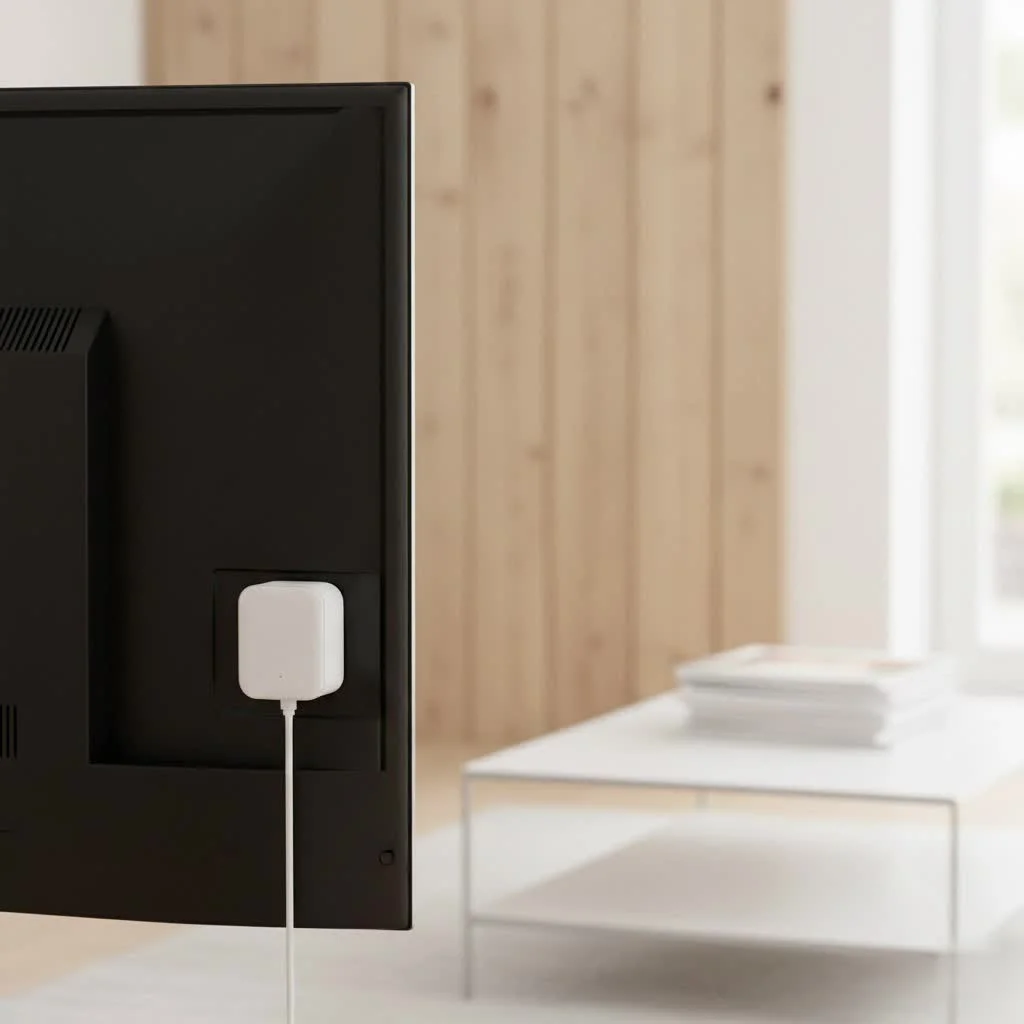
A “portable wall plug charger” describes a clever category of devices designed for maximum charging flexibility. These devices either integrate AC prongs directly into a portable battery pack, allowing it to recharge itself and your devices from a wall outlet, or they are incredibly compact, high-wattage wall chargers optimized for travel with foldable prongs and multiple ports. They are engineered to keep your gadgets juiced up, whether you’re tethered to an outlet or miles away from one.
These chargers are essential for modern life because we juggle more devices than ever – smartphones, tablets, smartwatches, earbuds, and even laptops. A versatile charging solution means less clutter, more convenience, and the peace of mind that comes with knowing you can always find a way to power your tech, no matter where your adventures take you.
The Power Beneath the Prongs: Key Technologies
The magic behind these compact powerhouses often lies in advanced charging technologies that allow them to be so small yet so powerful.
Gallium Nitride (GaN) Technology: The Tiny Titan
One of the biggest game-changers in recent years is Gallium Nitride (GaN) technology. GaN is a semiconductor material that replaces traditional silicon in charger components, resulting in:
- Compact Size: GaN chargers are significantly smaller and lighter than their silicon counterparts, making them truly “portable.”
- Higher Efficiency: They generate less heat, allowing components to be packed closer together without compromising safety or performance.
- Faster Charging: This efficiency often translates to higher power output, delivering faster charging speeds for your devices.
USB Power Delivery (PD): The Universal Fast Lane
Another crucial acronym to know is USB Power Delivery, or USB PD. This isn’t just about a USB-C port; it’s an industry-standard fast-charging protocol that intelligently delivers more power to a wider range of devices.
“The shift to GaN technology in portable wall plug chargers isn’t just about smaller size; it’s a leap in efficiency and thermal management,” explains Dr. Lena Karlsson, a veteran electrical engineer and power delivery specialist. “This innovation allows us to pack more power into a pocket-friendly design, making them indispensable for anyone who needs reliable charging on the move.”
With USB PD, your portable wall plug charger can quickly power everything from your smartphone (often 18-30W) and tablet (30-45W) to even your power-hungry laptop (60W or more), all from a single, versatile port. It’s truly the universal fast-charging standard we’ve been waiting for.
Types of Portable Wall Plug Chargers
While the term “portable wall plug charger” is broad, there are two main types you’ll encounter, each with unique advantages:
1. The “2-in-1” Power Bank Charger
|
Our Picks for the Best Wall Charger in 2026
As an Amazon Associate I earn from qualifying purchases.
|
||
| Num | Product | Action |
|---|---|---|
| 1 | USB C Wall Charger Block, 2Pack 60W 5-Port C Charger Fast Charging Block PD Power Adapter +QC 3.0 Multiport Type C Box Brick Cube USB A Wall Plug for iPhone 15/16/17 Pro Max Plus, iPad,Samsung Galaxy |

|
| 2 | Surge Protector Outlet Extender - with Rotating Plug, 6 AC Multi Plug Outlet with 4 USB Ports (2 USB C), 1800J Wall Charger, 3-Sided Power Strip with Spaced Outlet Splitter for Home, Office, Travel |
|
| 3 | 2Pack USB C Fast Charger Block, 60W 5-Port USB C Wall Charger 30W Type C Charging Block, 2USB C+3USB A PPS/PD 3.0 Multiport Charging Cube for iPhone 17 16 15 14 Pro Max,for Galaxy S25 S24 Ultra, i Pad |
|
| 4 | USB Wall Charger, LUOATIP 3-Pack 2.1A 5V Dual Port Cube Power Adapter Plug Block Charging Box Brick for iPhone 14 13 12 11 Pro Max SE XS XR X 8 7 6 6S Plus, Galaxy, LG, Moto, Android Phones |
|
| 5 | Anker Nano 47W USB C Charger, 2 Port Compact Foldable GaN Charger for iPhone 17 / 16, Galaxy, Pixel, Compatible with MagSafe (White) |
|
| 6 | iPhone Fast Charger 3+3Pack 20W USB C Wall Charger with 6FT Fast Charging Cable Compatible with iPhone 14/13/12/11/Pro/Pro Max |
|
| 7 | JcBlaon Outlet Extender Surge Protector - 6 Outlet Splitter with 4 USB Ports (2 USB C), Multiple Plug Expander Wall Charger, 3 Sided Multi Plug Wall Adapter Power Strip for Home Office Kitchen Travel |
|
| 8 | 2 Pack USB C Charger Block, Dual Port Type C Wall Charger Fast Charging 20W Power Adapter Cube for iPhone 14/14 Pro/14 Pro Max/14 Plus/13/12/11, XS/XR/X, iPad, Samsung, More |
|
| 9 | 128W USB C Wall Charger,GaN III 3-Port Fast Charging Station,PD QC Foldable Charger Block Portable 65W Laptop Adapter for MacBook Pro/Air,iPad Pro,Galaxy S23,Dell XPS 13,iPhone 17/16/Pro etc |
|
| 10 | LCGENS USB C Wall Charger Block 20W, 2-Pack Dual Port PD Power Delivery Fast Type C Charging Block Plug Compatible with iPhone 11/12/13/14/15/16/17 Pro Max, XS/XR/X, Ipad Pro, Samsung Galaxy |
|
This type is precisely what the name suggests: a power bank with integrated AC prongs that fold out, allowing you to plug it directly into a wall outlet.
- How it works: When plugged into the wall, it can charge your device while simultaneously recharging its internal battery. Once unplugged, it functions as a regular power bank, ready to juice up your devices on the go.
- Pros: Incredible versatility, dual functionality (wall charger + power bank), eliminates the need for separate devices.
- Cons: Can be slightly heavier or bulkier than a standalone wall charger or power bank due to the combined components. Battery capacities typically range from 5,000mAh to 10,000mAh, offering 1-2 full phone charges.
2. The Ultra-Compact GaN Wall Charger
These are pure wall chargers, meaning they don’t have an internal battery. However, they are engineered for extreme portability and power, often leveraging GaN technology.
- How it works: You plug it into a wall outlet, and it converts AC power to DC power for your devices. Its “portable” aspect comes from its incredibly small size, multiple high-power ports (usually USB-C PD), and often foldable prongs that tuck away for easy packing.
- Pros: Extremely small and lightweight, very high wattage output (some can charge multiple laptops simultaneously), perfect for travel thanks to foldable prongs and universal voltage support.
- Cons: No power storage, so you need an active wall outlet to use it.
Choosing Your Perfect Portable Wall Plug Charger: What to Look For
Selecting the right portable wall plug charger depends on your specific needs. Here’s a checklist of features to consider:
- Power Output (Wattage): This is critical.
- For smartphones and small accessories: 18W to 30W is usually sufficient for fast charging.
- For tablets: Aim for 30W to 45W.
- For laptops: You’ll need 45W and upwards, with 60W, 65W, or even 100W+ being common for a full-speed charge. Ensure the charger’s output matches or exceeds your device’s requirements for optimal speed.
- Port Configuration: Do you need USB-A, USB-C, or both? Most modern devices benefit from USB-C Power Delivery (PD) ports for the fastest charging. Multiple ports are a huge plus for charging several devices simultaneously.
- Battery Capacity (for 2-in-1 types): Measured in milliamp-hours (mAh).
- 5,000 mAh: Good for a quick top-off or one full phone charge.
- 10,000 mAh: Can provide 1-2 full phone charges or power a tablet.
- 15,000 mAh+: Ideal for multiple phone charges, larger tablets, or even emergency laptop charging.
- Size and Portability: Look for foldable prongs, a lightweight design, and a compact footprint that easily slips into your bag or pocket. GaN technology significantly aids in this.
- Safety Features & Certifications: This is non-negotiable. Look for over-current, over-voltage, short-circuit, and temperature protection. Reputable brands like Anker, UGREEN, and Belkin often have robust safety protocols and certifications.
- Built-in Cables/Adapters: Some portable wall plug chargers come with integrated USB-C or Lightning cables, adding convenience by reducing the number of accessories you need to carry.
SYFCA’s Pro Tips for Safe and Efficient Charging
Even the best portable wall plug charger needs a little love and smart usage to keep your devices safe and performing optimally.
- Use High-Quality Cables: A good charger is only as good as its cable. Ensure your cables are certified, in good condition, and rated for the wattage your charger delivers. Frayed or damaged cables are a fire hazard.
- Avoid Extreme Temperatures: Lithium-ion batteries, which power most portable chargers and devices, are sensitive. Don’t leave your charger or devices in a hot car, direct sunlight, or freezing conditions. Charge within a comfortable room temperature range.
- Charge on Hard, Well-Ventilated Surfaces: Batteries generate heat during charging. Placing your portable wall plug charger on a hard surface (like a desk or countertop) allows heat to dissipate. Avoid charging on soft surfaces like beds, sofas, or under blankets, which can trap heat and lead to overheating.
- Don’t Constantly Overcharge: While modern chargers have protection circuits, it’s generally best practice to unplug your device once it’s fully charged. For 2-in-1 units, don’t leave them plugged into the wall indefinitely if not actively using the wall charger function.
- Inspect Regularly: Make it a habit to check your charger and cables for any signs of damage – frayed wires, bent prongs, discoloration, or unusual smells. If you notice a swollen or bulging battery in a 2-in-1 unit, discontinue use immediately and safely dispose of it.
- Beware of Public Charging Stations: While convenient, public USB ports (often found in airports or cafes) can be vulnerable to “juice jacking,” a type of cyberattack. Always use your own portable wall plug charger or a power bank with your own cable to charge from a wall outlet when in public.
Frequently Asked Questions (FAQ)
What’s the main difference between a portable wall plug charger and a regular power bank?
A regular power bank only stores power and delivers it via USB ports, requiring a separate wall adapter to recharge itself. A portable wall plug charger, especially the “2-in-1” type, integrates an AC plug, allowing it to function as both a wall charger (charging devices and itself) and a power bank (charging devices on the go without a wall outlet). The ultra-compact GaN wall charger type is purely a wall charger, but its small size and high power make it incredibly portable.
Can I charge a laptop with a portable wall plug charger?
Yes, many portable wall plug chargers, particularly those with USB-C Power Delivery (PD) and higher wattage outputs (60W, 65W, 100W+), are specifically designed to charge laptops. Always check the charger’s wattage output and ensure it meets or exceeds your laptop’s charging requirements for optimal performance.
Are GaN chargers really safer?
GaN chargers are often considered safer due to their inherent efficiency. Because Gallium Nitride generates less heat compared to traditional silicon, GaN chargers run cooler, reducing the risk of overheating. However, always prioritize chargers from reputable brands that include comprehensive safety certifications and protection features.
How long does a portable wall plug charger (2-in-1 type) take to fully charge itself?
The charging time for a 2-in-1 portable wall plug charger’s internal battery depends on its capacity (mAh) and the input wattage it receives from the wall. A 10,000mAh unit with a 20W input might take a few hours, while a higher capacity or lower wattage input would take longer. Check the product specifications for exact charging times.
Is it okay to use a portable wall plug charger with multiple devices at once?
Absolutely! Many portable wall plug chargers come with multiple USB-A and/or USB-C ports, allowing you to charge several devices simultaneously. Just be aware that the total power output is often shared among the ports, so individual device charging speeds might be reduced if the charger’s total wattage is distributed among many devices. For instance, a 65W charger might deliver 45W to a laptop and 18W to a phone when both are connected.
Conclusion
Portable wall plug chargers are an indispensable tool in today’s mobile world. Whether you opt for the versatile 2-in-1 power bank with built-in prongs or an ultra-compact, high-power GaN wall charger, these devices offer unparalleled convenience and peace of mind. By understanding the technology, choosing wisely based on your needs, and following simple safety tips, you can ensure your gadgets are always charged and ready for action.
Don’t let a low battery slow you down. Explore the latest advancements and expert reviews on SYFCA.com to find the perfect portable wall plug charger for your lifestyle. Share your experiences and favorite charging hacks in the comments below – let’s power up smarter, together!
Get our weekly buyer guide
Practical specs, not advice. Unsubscribe anytime.
I appreciate the breakdown of what makes a charger truly ‘portable.’ I’ve been using a combo unit that has both the wall prongs and a built-in power bank, and it’s incredibly useful for long flights or days out. It’s great to have that flexibility to top off my phone even when there isn’t an outlet nearby, then just plug it in overnight to recharge everything.
I got a compact high-wattage charger, and while it’s fast, I wish it had more than two ports. I often need to charge my tablet, phone, and smartwatch, and having to rotate them is a bit of a hassle. It’s good for quick charges, but for a full setup, I find myself needing another adapter.
The explanation of how these chargers handle multiple gadgets was really helpful. I was always worried about slow charging when plugging in my smartphone and tablet at the same time, but my new UGREEN charger handles it like a champ. It’s so much easier to just carry one charger for everything now, especially when I’m moving between meetings.
I picked up one of the Anker GaN chargers mentioned, and it’s been a game-changer for my travel setup. The foldable prongs are super convenient, and it charges my laptop and phone simultaneously without any issues. It really does make a difference when you’re trying to pack light and still need reliable power for all your devices on the go.