Hey there, tech enthusiast! As the digital landscape evolves, so does the way we power our devices. Remember the days of rummaging through a drawer full of incompatible chargers? Thankfully, the era of the universal USB-C charger wall plug is here to simplify our lives, offering a powerful, efficient, and often surprisingly compact solution for all our gadgets. At SYFCA.com, with over a decade in the trenches of power technology, we’re dedicated to helping you navigate this exciting shift, ensuring you make the smartest choices for your charging needs. Let’s dive in and demystify the magic behind these modern powerhouses.
What Exactly is a USB-C Charger Wall Plug?
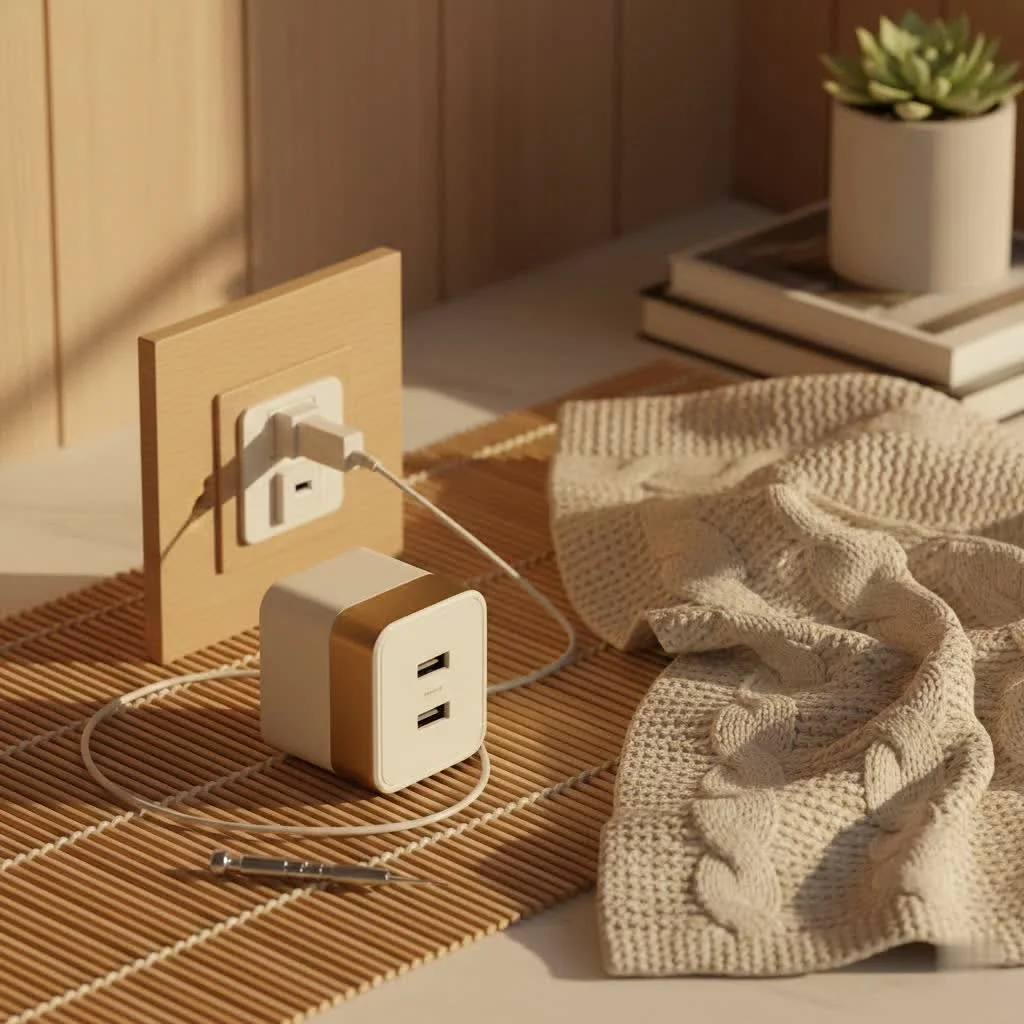
At its core, a USB-C charger wall plug is a power adapter designed to connect to a standard electrical outlet and deliver power to your electronic devices via a USB-C cable. What makes USB-C truly special isn’t just its sleek, reversible connector – meaning no more fumbling to plug it in correctly – but its incredible versatility and capability. Unlike its predecessors, USB-A and Micro-USB, USB-C was built from the ground up to handle significantly more power, faster data transfer, and even video output, making it the one connector to rule them all. This means your single USB-C charger wall plug can power everything from your smartphone to your laptop, tablet, and even portable gaming devices.
Why Your Devices Crave a Modern USB-C Wall Plug
Upgrading to a USB-C charger wall plug isn’t just about keeping up with the latest trends; it’s about embracing a more efficient, convenient, and future-proof charging experience.
Firstly, speed is the name of the game. Traditional USB-A chargers often maxed out at a measly 5 to 15 watts, leading to painfully slow charging times. Modern USB-C wall plugs, especially those equipped with Power Delivery (PD) technology, can deliver power outputs ranging from 20W for rapid smartphone charging to 100W, 140W, or even 240W for power-hungry laptops and multiple devices simultaneously. This means less waiting and more doing.
Secondly, universal compatibility is a huge win. Imagine carrying just one charger and one type of cable for all your devices. With USB-C becoming the industry standard, this dream is rapidly becoming a reality. Major manufacturers are adopting USB-C across their product lines, from phones and tablets to laptops and accessories, making cross-device charging seamless and reducing cable clutter. This not only simplifies your tech setup at home but also makes traveling much lighter and less stressful.
Finally, by choosing a high-quality USB-C charger wall plug, you’re future-proofing your charging setup. As new devices are released, they’ll increasingly feature USB-C ports and benefit from advanced charging protocols. Investing in a capable USB-C charger now means you’ll be ready for whatever innovations come next, maximizing the longevity and utility of your charging accessories.
The Core Technologies Powering Your USB-C Wall Plug
The true innovation in modern USB-C charger wall plugs lies beneath the surface, within sophisticated technologies that make them incredibly powerful and efficient.
Power Delivery (PD): The Smart Charger Standard
|
Our Picks for the Best Wall Charger in 2026
As an Amazon Associate I earn from qualifying purchases.
|
||
| Num | Product | Action |
|---|---|---|
| 1 | JcBlaon Outlet Extender Surge Protector - 6 Outlet Splitter with 4 USB Ports (2 USB C), Multiple Plug Expander Wall Charger, 3 Sided Multi Plug Wall Adapter Power Strip for Home Office Kitchen Travel |

|
| 2 | 128W USB C Wall Charger,GaN III 3-Port Fast Charging Station,PD QC Foldable Charger Block Portable 65W Laptop Adapter for MacBook Pro/Air,iPad Pro,Galaxy S23,Dell XPS 13,iPhone 17/16/Pro etc |
|
| 3 | USB C Wall Charger Block, 2Pack 60W 5-Port C Charger Fast Charging Block PD Power Adapter +QC 3.0 Multiport Type C Box Brick Cube USB A Wall Plug for iPhone 15/16/17 Pro Max Plus, iPad,Samsung Galaxy |
|
| 4 | USB Wall Charger, LUOATIP 3-Pack 2.1A 5V Dual Port Cube Power Adapter Plug Block Charging Box Brick for iPhone 14 13 12 11 Pro Max SE XS XR X 8 7 6 6S Plus, Galaxy, LG, Moto, Android Phones |
|
| 5 | LCGENS USB C Wall Charger Block 20W, 2-Pack Dual Port PD Power Delivery Fast Type C Charging Block Plug Compatible with iPhone 11/12/13/14/15/16/17 Pro Max, XS/XR/X, Ipad Pro, Samsung Galaxy |
|
| 6 | Anker Nano 47W USB C Charger, 2 Port Compact Foldable GaN Charger for iPhone 17 / 16, Galaxy, Pixel, Compatible with MagSafe (White) |
|
| 7 | 2Pack USB C Fast Charger Block, 60W 5-Port USB C Wall Charger 30W Type C Charging Block, 2USB C+3USB A PPS/PD 3.0 Multiport Charging Cube for iPhone 17 16 15 14 Pro Max,for Galaxy S25 S24 Ultra, i Pad |
|
| 8 | iPhone Fast Charger 3+3Pack 20W USB C Wall Charger with 6FT Fast Charging Cable Compatible with iPhone 14/13/12/11/Pro/Pro Max |
|
| 9 | 2 Pack USB C Charger Block, Dual Port Type C Wall Charger Fast Charging 20W Power Adapter Cube for iPhone 14/14 Pro/14 Pro Max/14 Plus/13/12/11, XS/XR/X, iPad, Samsung, More |
|
| 10 | Surge Protector Outlet Extender - with Rotating Plug, 6 AC Multi Plug Outlet with 4 USB Ports (2 USB C), 1800J Wall Charger, 3-Sided Power Strip with Spaced Outlet Splitter for Home, Office, Travel |
|
Power Delivery, or USB PD, is more than just “fast charging”; it’s an intelligent communication protocol that allows your charger and device to “talk” to each other. When you plug in a device, the USB-C PD charger and the device negotiate the optimal power output required. This two-way communication ensures that your device receives exactly the right amount of power it needs, maximizing charging speed while safeguarding its battery health.
This dynamic adjustment is crucial because it means a high-wattage USB-C charger wall plug won’t “overcharge” a smaller device. Instead, it will only deliver the power that the device can safely accept. USB PD can support a wide range of power profiles, from a few watts for earbuds up to an impressive 240 watts for demanding professional laptops, all through the same versatile USB-C port. This efficiency and adaptability are what make USB-C PD the gold standard for modern charging.
GaN Technology: Smaller, Faster, Cooler
Another game-changer in the world of USB-C charger wall plugs is Gallium Nitride (GaN) technology. For decades, silicon has been the primary material for semiconductors in electronic components, including chargers. However, GaN is a newer semiconductor material that offers significant advantages over silicon.
Here’s why GaN is revolutionizing charger design:
- Compact Size: GaN components can operate at much higher frequencies and voltages than silicon, allowing manufacturers to use smaller transistors and other internal components. This translates directly into physically smaller and lighter charger bricks, often significantly shrinking multi-port, high-wattage chargers into incredibly portable forms.
- Faster Charging: Because GaN can conduct electricity more efficiently and at higher frequencies, less energy is wasted as heat. More power is directed to your device, leading to faster charging times.
- Higher Power Output: GaN technology enables chargers to deliver more power from a smaller footprint, making it possible to create compact wall plugs that can charge powerful laptops or multiple devices simultaneously without becoming bulky.
- Cooler Operation: The enhanced efficiency of GaN means less energy is converted into heat. This allows GaN chargers to run cooler than their silicon counterparts, even under heavy loads, which improves both the charger’s lifespan and the safety of your charging environment.
- Durability: GaN semiconductors are inherently more robust and can withstand higher temperatures and voltages without degrading, contributing to a longer-lasting charger.
When you see a compact, powerful USB-C charger wall plug with multiple ports, chances are it’s leveraging the incredible benefits of GaN technology.
Choosing the Perfect USB-C Charger Wall Plug: A SYFCA Expert’s Checklist
With so many options available, choosing the right USB-C charger wall plug can feel overwhelming. Here’s what our experts at SYFCA recommend you consider:
Wattage Wisely: Matching Power to Your Gadgets
The wattage (W) of your charger is crucial. It dictates how fast your device can charge and what types of devices it can power.
- For Smartphones and Small Devices (20W-30W): A 20W to 30W USB-C wall plug is typically ideal for fast-charging most modern smartphones, wireless earbuds, and smartwatches. For instance, many iPhones and Android phones can significantly benefit from a 20W or 25W charger.
- For Tablets and Smaller Laptops (45W-65W): If you’re charging a tablet or a smaller, ultraportable laptop (like a MacBook Air or many Chromebooks), look for a charger in the 45W to 65W range. This provides ample power for efficient charging and often allows for simultaneous charging of a phone at a lower wattage.
- For Powerful Laptops and Multi-Device Charging (65W-240W+): High-performance laptops, gaming laptops, or charging multiple devices at once will require a higher wattage, typically 65W, 100W, or even up to 240W. Many multi-port GaN chargers offer dynamic power allocation, meaning they can intelligently distribute power across connected devices.
Always check your device’s maximum charging input to ensure you’re not overspending on wattage you don’t need or underpowering a device that could charge faster.
Port Perfect: Single vs. Multi-Port Options
Consider how many devices you typically charge simultaneously.
- Single-Port USB-C: Great if you primarily charge one device at a time, value extreme compactness, or have dedicated chargers for other gadgets. These are often the most affordable and smallest options.
- Multi-Port USB-C (or USB-C + USB-A): For those with multiple devices, a multi-port USB-C charger wall plug is a game-changer. Many come with two or more USB-C ports, and some still include a traditional USB-A port for older accessories. These chargers usually feature smart power distribution, ensuring each connected device gets the power it needs without sacrificing overall speed. This can significantly reduce the number of wall adapters you need, decluttering your space and travel bag.
Safety First: Certifications You Can Trust
When dealing with electricity, safety is paramount. Always look for chargers that carry reputable safety certifications. These ensure the charger has been tested and meets specific safety standards, protecting you and your devices from issues like overcharging, overheating, short-circuits, and overcurrent. Common certifications to look for include:
- UL (Underwriters Laboratories): Predominantly in North America.
- CE (Conformité Européenne): Mandatory for products sold in the European Economic Area.
- FCC (Federal Communications Commission): For electronic products sold in the United States, ensuring minimal electromagnetic interference.
- RoHS (Restriction of Hazardous Substances): Originating in the EU, restricting hazardous materials in electrical and electronic products.
- ETL (Electrical Testing Laboratories): Another recognized product safety certification in North America.
Reputable brands will proudly display these certifications, offering you peace of mind.
Design and Portability
Modern USB-C charger wall plugs come in various designs. Consider features like:
- Compact Size: Especially important for travel or fitting into crowded power strips. GaN technology has made incredible strides in this area.
- Foldable Prongs: A small but significant feature for portability, preventing prongs from scratching other items in your bag or breaking off.
- Vertical vs. Horizontal Design: Some chargers lie flat against the wall, which can be useful in tight spaces.
Maximizing the Life and Performance of Your USB-C Wall Plug
Even the best USB-C charger wall plug benefits from a little care to ensure it delivers optimal performance for years to come.
- Use Quality Cables: A cheap, poorly made USB-C cable can bottleneck your fast charger’s performance or, worse, pose a safety risk. Invest in certified USB-C to USB-C cables, especially those rated for higher wattages (e.g., 60W, 100W, 240W), to get the full benefit of your charger.
- Avoid Extreme Temperatures: While GaN chargers run cooler, all electronics prefer moderate temperatures. Avoid leaving your charger in direct sunlight or in extremely hot/cold environments.
- Proper Ventilation: Ensure your charger isn’t covered or crammed into a space with poor airflow, especially during heavy use. Good ventilation helps dissipate any heat generated.
- Unplug When Not in Use: While modern chargers are efficient, unplugging them when not actively charging can save a tiny bit of phantom energy and further extend their lifespan.
- Handle with Care: Avoid yanking cables out of the charger or wall outlet. Gently remove them to prevent damage to the ports or prongs.
Expert Insight: The Future of Charging
“The shift to USB-C PD and GaN technology isn’t just an incremental improvement; it’s a fundamental rethinking of how we power our devices,” says Dr. Anya Sharma, Lead Power Systems Engineer at SYFCA. “We’re seeing an unprecedented convergence of power, data, and video through a single, intelligent connector. This evolution promises not only faster charging but also a more sustainable and user-friendly ecosystem. The continued innovation in materials like GaN will only push the boundaries further, delivering more power in even smaller, cooler, and more robust packages.”
Frequently Asked Questions About USB-C Wall Plugs
Q1: Can I use any USB-C charger wall plug with any USB-C device?
A1: Generally, yes. The beauty of USB-C Power Delivery (PD) is its ability to negotiate power. A well-designed USB-C PD charger will only deliver the power that your device can safely accept, so you won’t damage a low-power device by plugging it into a high-wattage charger. However, using a charger with insufficient wattage will result in slower charging.
Q2: Is a higher wattage USB-C charger always better?
A2: Not necessarily. While higher wattage chargers offer more power, your device will only draw as much power as it’s designed to handle. A 100W charger won’t charge a phone that only supports 25W any faster than a 25W charger would. However, a higher wattage charger is beneficial if you need to charge powerful laptops or multiple devices simultaneously, as it can efficiently distribute power across them.
Q3: Do GaN chargers get hot?
A3: GaN chargers generally run cooler than traditional silicon-based chargers, especially when delivering high power. Their increased efficiency means less energy is wasted as heat. While they might feel slightly warm to the touch during operation, excessive heat is uncommon and usually indicates a fault or poor ventilation.
Q4: Can I use my old USB-A cables with a new USB-C charger wall plug?
A4: Most modern multi-port USB-C charger wall plugs often include at least one USB-A port to maintain backward compatibility. If your USB-C charger only has USB-C ports, you would need a USB-C to USB-A adapter or, more commonly, a USB-C to USB-A cable to connect older devices.
Q5: What is the difference between USB-C and USB-C PD?
A5: USB-C refers to the physical connector shape, which is reversible and compact. USB-C PD (Power Delivery) is a communication protocol that runs over the USB-C connection, allowing devices and chargers to dynamically negotiate and deliver much higher power levels (up to 240W) than standard USB-C alone. A charger with a USB-C port might not necessarily support PD, but most modern, fast USB-C charger wall plugs do.
Q6: How do I know what wattage my device needs?
A6: You can usually find your device’s maximum charging input wattage in its user manual, on the original charger, or on the manufacturer’s website. For smartphones, 20-30W is common for fast charging. Laptops often require 45W, 65W, or 100W+.
Q7: Are cheap USB-C charger wall plugs safe to use?
A7: While some budget-friendly options can be good, extremely cheap, unbranded USB-C charger wall plugs might not adhere to safety standards. Always prioritize chargers with recognized safety certifications (UL, CE, FCC, etc.) from reputable brands to avoid potential risks like overheating or damage to your devices.
Conclusion
The USB-C charger wall plug represents a significant leap forward in charging technology, blending speed, versatility, and efficiency into a compact form factor. By understanding the core technologies like Power Delivery and GaN, and knowing what to look for in terms of wattage, ports, and safety certifications, you can confidently select the perfect charger to meet your needs. Embrace the future of charging, simplify your tech life, and power up your devices safely and efficiently. Head over to SYFCA.com for more in-depth reviews and expert recommendations to ensure your devices are always charged and ready for action!
Get our weekly buyer guide
Practical specs, not advice. Unsubscribe anytime.