In our fast-paced world, staying connected is non-negotiable, and keeping our devices charged is paramount. Yet, the maze of charging solutions can often feel overwhelming. That’s where Anker steps in, a brand that has truly revolutionized how we power up. Today, we’re zeroing in on a game-changer: the Anker power bank wall charger, a brilliant fusion of portability and potent wall-charging capability designed to simplify your digital life. Forget juggling multiple bricks and portable batteries; these innovative devices offer a seamless, all-in-one charging experience that keeps you powered up, whether you’re at home, in the office, or on the go.
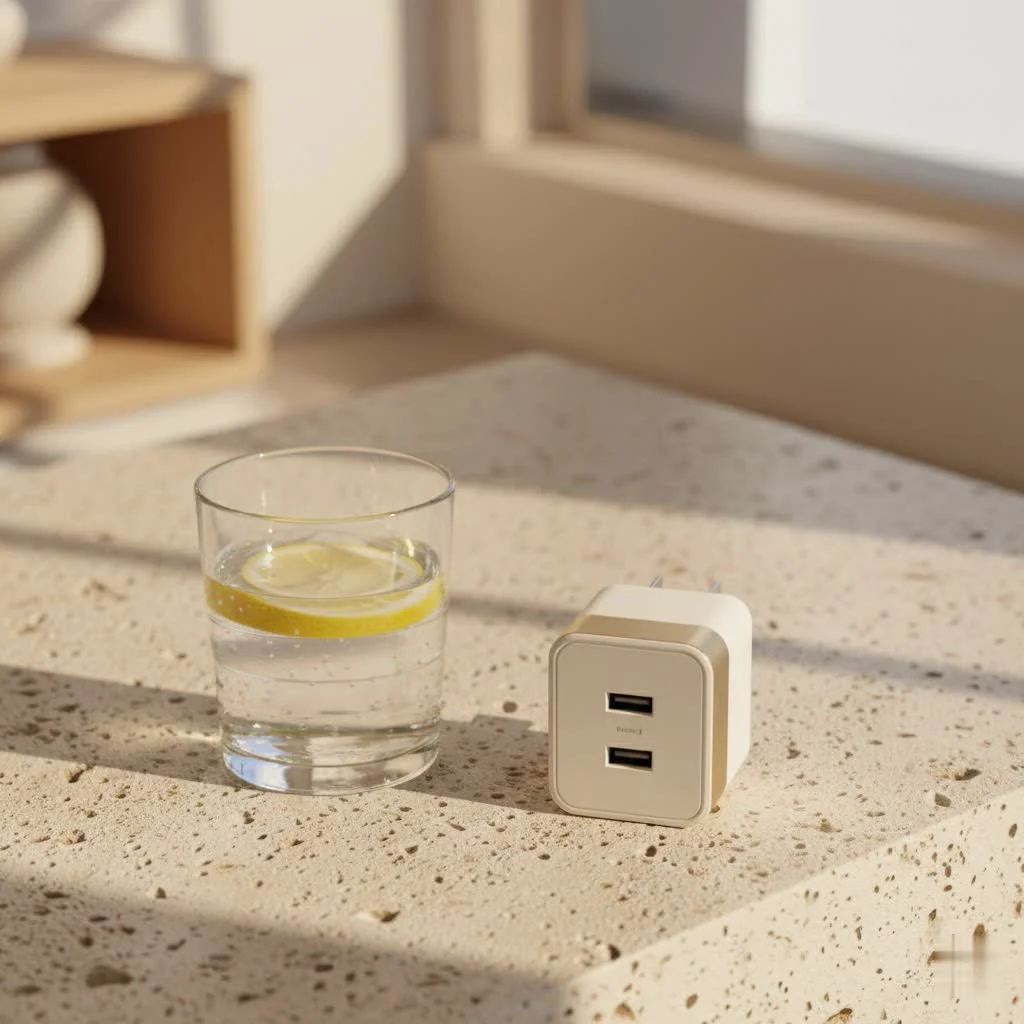
The Best of Both Worlds: Understanding Anker’s Power Bank Wall Chargers
Imagine a single device that plugs directly into an outlet to charge your gadgets at blistering speeds, and then, with a quick unplug, transforms into a portable power bank, ready to refuel your devices anywhere. This is the ingenious concept behind Anker’s power bank wall chargers, often recognized by their “Fusion” series. These hybrid devices are not just convenient; they represent a smarter way to manage your power needs. They’re particularly favored by travelers, digital nomads, and anyone looking to minimize clutter and maximize efficiency.
Anker’s PowerCore Fusion line, for example, combines a powerful wall adapter with a high-capacity portable battery, often featuring a built-in USB-C cable for ultimate convenience. This means you can power your laptop while at your desk and then grab it, knowing you have a fully charged power bank in your bag, without needing a separate item. These designs typically prioritize being lightweight and compact, ensuring they fit snugly into wall outlets without sagging, a common issue with heavier, less thoughtfully designed chargers.
Decoding Anker’s Advanced Charging Technologies
Anker has cemented its position as a leader in mobile charging through continuous innovation. Their products integrate cutting-edge technologies that ensure faster, safer, and more efficient power delivery.
GaN Technology: Smaller, Cooler, More Powerful
One of the most significant advancements in recent years is Gallium Nitride (GaN) technology. Unlike traditional silicon, GaN allows chargers to be dramatically smaller, more efficient, and run cooler, even when delivering high wattages. Anker’s GaNPrime™ series exemplifies this, packing immense power into incredibly compact designs. This means you can get a multi-port charger capable of powering a laptop, tablet, and phone simultaneously, all in a device barely larger than a standard phone charger.
PowerIQ (PIQ): Intelligent Charging Tailored to Your Device
Anker’s proprietary PowerIQ (PIQ) technology is the “brain” behind their chargers. It intelligently identifies your connected device and optimizes the power output to deliver the fastest possible charge.
- PowerIQ 3.0 is a versatile evolution, combining Qualcomm Quick Charge (QC 3.0) and USB Power Delivery (PD 3.0) standards with Anker’s intelligent recognition. This ensures broad compatibility and optimized fast charging across a vast array of devices.
- PowerIQ 4.0, found in the latest GaNPrime chargers, takes this a step further with Dynamic Power Allocation. This advanced feature intelligently adjusts power distribution every few minutes, prioritizing devices with the lowest battery levels to get them charged up fastest when multiple devices are connected.
Power Delivery (PD) & PPS: The Universal Fast-Charging Standard
|
Our Picks for the Best Wall Charger in 2026
As an Amazon Associate I earn from qualifying purchases.
|
||
| Num | Product | Action |
|---|---|---|
| 1 | Anker Nano 47W USB C Charger, 2 Port Compact Foldable GaN Charger for iPhone 17 / 16, Galaxy, Pixel, Compatible with MagSafe (White) |

|
| 2 | USB C Wall Charger Block, 2Pack 60W 5-Port C Charger Fast Charging Block PD Power Adapter +QC 3.0 Multiport Type C Box Brick Cube USB A Wall Plug for iPhone 15/16/17 Pro Max Plus, iPad,Samsung Galaxy |
|
| 3 | 2 Pack USB C Charger Block, Dual Port Type C Wall Charger Fast Charging 20W Power Adapter Cube for iPhone 14/14 Pro/14 Pro Max/14 Plus/13/12/11, XS/XR/X, iPad, Samsung, More |
|
| 4 | 2Pack USB C Fast Charger Block, 60W 5-Port USB C Wall Charger 30W Type C Charging Block, 2USB C+3USB A PPS/PD 3.0 Multiport Charging Cube for iPhone 17 16 15 14 Pro Max,for Galaxy S25 S24 Ultra, i Pad |
|
| 5 | USB Wall Charger, LUOATIP 3-Pack 2.1A 5V Dual Port Cube Power Adapter Plug Block Charging Box Brick for iPhone 14 13 12 11 Pro Max SE XS XR X 8 7 6 6S Plus, Galaxy, LG, Moto, Android Phones |
|
| 6 | JcBlaon Outlet Extender Surge Protector - 6 Outlet Splitter with 4 USB Ports (2 USB C), Multiple Plug Expander Wall Charger, 3 Sided Multi Plug Wall Adapter Power Strip for Home Office Kitchen Travel |
|
| 7 | LCGENS USB C Wall Charger Block 20W, 2-Pack Dual Port PD Power Delivery Fast Type C Charging Block Plug Compatible with iPhone 11/12/13/14/15/16/17 Pro Max, XS/XR/X, Ipad Pro, Samsung Galaxy |
|
| 8 | iPhone Fast Charger 3+3Pack 20W USB C Wall Charger with 6FT Fast Charging Cable Compatible with iPhone 14/13/12/11/Pro/Pro Max |
|
| 9 | 128W USB C Wall Charger,GaN III 3-Port Fast Charging Station,PD QC Foldable Charger Block Portable 65W Laptop Adapter for MacBook Pro/Air,iPad Pro,Galaxy S23,Dell XPS 13,iPhone 17/16/Pro etc |
|
| 10 | Surge Protector Outlet Extender - with Rotating Plug, 6 AC Multi Plug Outlet with 4 USB Ports (2 USB C), 1800J Wall Charger, 3-Sided Power Strip with Spaced Outlet Splitter for Home, Office, Travel |
|
USB Power Delivery (PD) is the industry-standard protocol for high-speed charging over USB-C. It allows for higher voltages and currents, significantly reducing charging times for compatible devices, from smartphones (typically 20W+) to laptops (up to 240W with PD 3.1). Most modern Anker power bank wall chargers feature USB-C PD ports to deliver this rapid charge.
Building on PD, Programmable Power Supply (PPS) is an even more refined standard. As part of USB PD 3.0, PPS enables real-time, step-by-step adjustments of voltage and current based on a device’s charging status. This precise control minimizes conversion loss, generates less heat, and ultimately helps preserve your device’s battery lifespan while ensuring ultra-fast charging for compatible phones, such as many Samsung Galaxy models.
Quick Charge (QC): Android’s Fast Lane
While USB-C PD is becoming universal, many Android devices, especially older models, utilize Qualcomm Quick Charge (QC) technology. Anker chargers with QC compatibility can deliver up to four times faster charging speeds than standard 1A chargers, quickly bringing your Android phone back to life. Anker’s PowerIQ 3.0 incorporates QC 3.0, ensuring that devices that support this protocol can also benefit from rapid charging.
Power and Performance: Choosing the Right Wattage
When selecting an Anker power bank wall charger, understanding wattage (W) is key, especially if you want to harness fast charging. Fast charging for smartphones typically begins at around 15W, but many modern devices can handle 20W, 30W, 45W, or even higher.
For a power bank wall charger, consider your most power-hungry devices:
- Smartphones: A 20W to 30W output is often sufficient for fast charging most smartphones, bringing them to 50% in about 30 minutes.
- Tablets: Larger tablets might benefit from 30W to 45W for optimal charging speeds.
- Laptops: For laptops, especially MacBooks or Dell XPS models, you’ll want a charger with at least 45W, often extending to 60W, 65W, or even 100W for larger, more powerful machines.
Anker offers a range of power bank wall chargers with varying wattages, such as the Anker 33W, 65W, or even higher, often with multiple ports that dynamically share the total wattage. If you frequently charge multiple devices, a multi-port charger with higher total wattage and intelligent power distribution (like PowerIQ 4.0) is a smart investment.
Anker’s Commitment to Safety: Charge with Confidence
In the world of electronics, safety is paramount, and Anker takes this responsibility seriously. They’ve built a reputation for robust safety features and rigorous testing protocols to protect your devices and give you peace of mind.
Anker’s exclusive MultiProtect safety system is integrated into their chargers, offering multiple layers of protection. This comprehensive suite of safeguards includes:
- Temperature Control: Prevents overheating of both the charger and your devices.
- Overload Protection: Shields against excessive current that could damage batteries.
- Surge Protection: Guards against sudden spikes in electrical voltage.
- Short-Circuit Prevention: Protects against electrical faults.
Beyond these built-in features, Anker has a Global Battery Safety Program, which introduced enhanced oversight protocols in 2024. This program includes stringent supplier evaluations, unannounced factory inspections, and end-to-end traceability of raw materials. Every Anker battery undergoes extensive stress-testing, often exceeding international benchmarks, including X-ray inspections, charge/discharge performance tests, and thermal stress tests ranging from -20°C to 60°C. This commitment ensures that Anker products are not only innovative but also exceptionally reliable and safe.
How to Choose Your Ideal Anker Power Bank Wall Charger
Selecting the perfect Anker power bank wall charger involves a few key considerations tailored to your specific needs. Think about how and where you typically charge your devices.
1. Assess Your Devices and Their Power Needs
First, identify all the devices you plan to charge. Do you mostly use a smartphone, or do you also carry a tablet and a laptop? Check their maximum charging wattage and the type of ports they use (USB-C, Lightning, or older USB-A). Newer devices, especially iPhones 15 and above, along with many Android phones and laptops, primarily use USB-C with Power Delivery for fast charging.
2. Portability vs. Multi-Device Charging
Are you constantly on the move, needing a lightweight, compact solution, or do you often charge multiple gadgets simultaneously at a fixed location?
- For maximum portability and a true 2-in-1 experience, an Anker PowerCore Fusion model is ideal. These devices offer a perfect balance of wall charging convenience and portable power.
- If you need to power several devices at once, especially high-wattage ones, consider a multi-port GaN charger. Some of these also feature integrated power bank capabilities, offering a powerful hub for all your electronics.
3. Consider Wattage and Port Configuration
Match the charger’s output wattage to your devices’ requirements. A 65W charger, for example, can typically fast-charge a MacBook Air and a phone simultaneously. Look for chargers with a mix of USB-C Power Delivery ports and potentially a USB-A port for older accessories.
4. Future-Proofing Your Investment
As technology evolves, USB-C Power Delivery and GaN technology are becoming the gold standard. Investing in a charger that supports these standards will ensure compatibility with your future devices and provide the fastest charging speeds available.
Maximizing Your Anker Charger’s Lifespan and Efficiency
Even the most robust chargers benefit from proper care. Following these simple tips can significantly extend the life of your Anker power bank wall charger and ensure optimal performance.
- Use Quality Cables: A high-quality cable is just as important as the charger itself. Always use the original cable that came with your device or a certified, reputable third-party cable. Frayed or damaged cables can hinder charging performance and pose a safety risk. For USB-C cables, ensure they are “e-marked” if you plan to charge above 60W.
- Mind the Environment: Keep your charger in a dry, well-ventilated area. Avoid exposing it to extreme temperatures, either hot or cold, as this can affect its components and battery health. If your charger feels excessively hot during use, ensure it has adequate airflow and isn’t covered.
- Avoid Overloading: While Anker’s multi-port chargers are designed to handle several devices, continuously pushing them to their absolute maximum capacity can generate more heat. Be mindful of the total wattage and the power requirements of your connected devices.
- Store Properly: When not in use, store your charger and cables neatly. Avoid tightly winding cables, as this can cause internal damage over time. If your device has foldable prongs, ensure they are retracted when packed away to prevent bending or damage.
- Monitor Charging: While modern chargers have safety features to prevent overcharging, it’s generally a good practice to disconnect devices once they are fully charged, especially if you’re concerned about battery longevity.
Frequently Asked Questions
Can I charge my laptop with an Anker power bank wall charger?
Yes, many Anker power bank wall chargers, especially those with USB-C Power Delivery ports and higher wattage outputs (e.g., 45W, 65W, or more), are perfectly capable of fast charging most laptops, including MacBooks, Dell XPS, and other USB-C compatible notebooks.
What is the best wattage for fast charging?
For smartphones, 20W to 30W is generally considered excellent for fast charging, often delivering 50% charge in about 30 minutes. For tablets, 30W to 45W is ideal, and for most laptops, 45W to 100W+ is recommended, depending on the laptop’s power requirements.
Are Anker chargers safe to leave plugged in overnight?
Anker chargers feature advanced safety systems like MultiProtect, designed to prevent issues like overcharging, overheating, and short-circuiting. While they are generally safe, it’s often recommended to unplug chargers when not in use, primarily as a general electrical safety practice and to conserve minimal phantom power.
How do I know if my Anker charger is genuine?
Purchase Anker products from authorized retailers or directly from Anker’s official website. Be wary of unusually low prices or unofficial marketplaces. Anker products often have clear branding, quality build materials, and verifiable serial numbers. If you have doubts, you can contact Anker customer support.
What’s the difference between a standalone wall charger and an Anker PowerCore Fusion?
A standalone wall charger only functions when plugged into a wall outlet, delivering power directly to your devices. An Anker PowerCore Fusion, however, is a hybrid device that acts as both a wall charger (when plugged in) and a portable power bank (when unplugged), providing battery backup on the go. It offers dual functionality in one compact unit.
Final Thoughts
As a leading expert in phone and electronics charging with over a decade of hands-on experience, I can confidently say that Anker power bank wall chargers offer an unparalleled blend of innovation, convenience, and safety. These intelligent devices, powered by technologies like GaN and PowerIQ, not only provide blazing-fast charging for all your gadgets but also simplify your daily routine by combining two essential tools into one.
Choosing an Anker power bank wall charger means investing in reliable, efficient, and future-proof power for your digital life. Whether you’re a busy professional, a student, or a frequent traveler, there’s an Anker solution designed to meet your needs. By understanding the core technologies and following best practices for care, you’ll ensure your devices stay powered up safely and efficiently for years to come. At SYFCA.com, we believe in empowering our readers with the knowledge to make informed decisions, and when it comes to charging, Anker stands out as a brand you can truly trust.
Get our weekly buyer guide
Practical specs, not advice. Unsubscribe anytime.