Wall mounted wireless chargers declutter spaces and provide convenient, cable-free power by integrating charging pads directly into walls or surfaces. These devices utilize electromagnetic induction, often based on the Qi protocol, to wirelessly transfer power to compatible electronic devices, freeing up countertops and nightstands from tangled cables. They offer aesthetic appeal, enhanced accessibility, and improved safety by keeping cords off the floor, making them a modern solution for homes and offices.
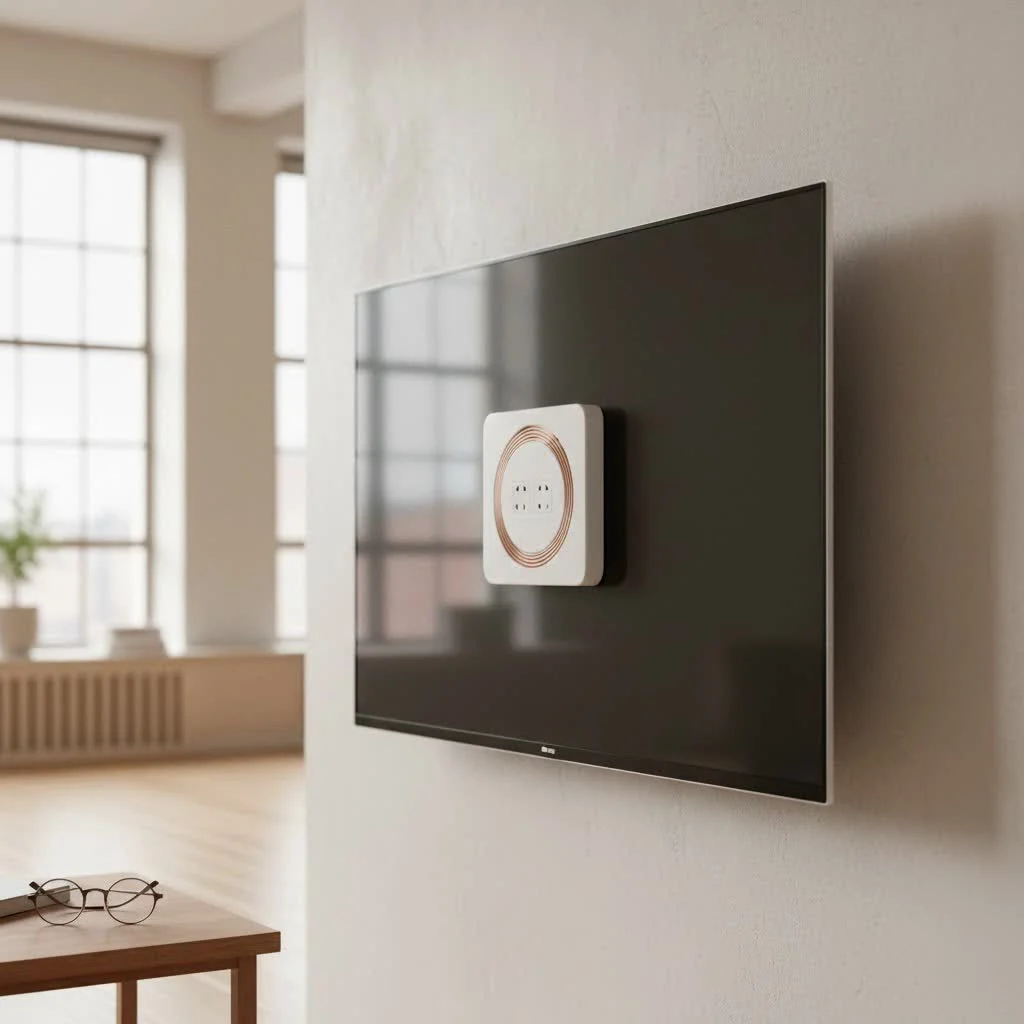
What Exactly is a Wall Mounted Wireless Charger? The Magic of Cable-Free Power
At its core, a wall mounted wireless charger is simply a wireless charging pad designed for vertical integration into your home or office. The magic behind it lies in a technology called electromagnetic induction, often standardized by the “Qi” protocol (pronounced “chee”). Here’s the simplified science: inside the charger, a coiled wire acts as a transmitter, creating an invisible electromagnetic field when electricity flows through it. When your compatible device, which also contains a receiver coil, is placed within this field, it captures the energy and converts it back into electrical current to charge its battery.
Think of it like this: the charger creates a small “cloud of electricity.” When your phone or tablet enters this cloud, its internal coil grabs that energy, turning it into a steady stream of power for your battery. By mounting this technology on your wall, you get all the convenience of wireless charging while simultaneously achieving a cleaner, more organized aesthetic.
Why Choose a Wall Mounted Wireless Charger? The Perks of Going Vertical
Embracing wall mounted wireless charging isn’t just about cutting cords; it’s about upgrading your entire charging experience.
Aesthetic Appeal & Space Saving
Few things disrupt a clean interior design quite like a nest of charging cables. Wall mounted chargers tuck neatly out of sight, either flush with the wall or as minimalist surface-mounted units. This frees up precious counter space in the kitchen, clears nightstands in the bedroom, and keeps desks uncluttered in your home office, creating a far more streamlined and modern look.
Enhanced Accessibility
With a dedicated wall charging spot, you’ll always know exactly where to power up your devices. No more hunting for cables or searching for an available outlet. Imagine walking into a room, effortlessly placing your phone on its designated wall perch, and knowing it’s charging while remaining easily accessible for glances or quick grabs.
Safety & Organization
Keeping cables off the floor reduces trip hazards, especially in busy households with children or pets. Wall mounting also means your devices are less likely to be knocked off surfaces, potentially preventing costly damage. It’s a simple yet effective way to maintain order and enhance safety.
Modern Smart Home Integration
|
Our Picks for the Best Wall Charger in 2026
As an Amazon Associate I earn from qualifying purchases.
|
||
| Num | Product | Action |
|---|---|---|
| 1 | 2Pack USB C Fast Charger Block, 60W 5-Port USB C Wall Charger 30W Type C Charging Block, 2USB C+3USB A PPS/PD 3.0 Multiport Charging Cube for iPhone 17 16 15 14 Pro Max,for Galaxy S25 S24 Ultra, i Pad |

|
| 2 | JcBlaon Outlet Extender Surge Protector - 6 Outlet Splitter with 4 USB Ports (2 USB C), Multiple Plug Expander Wall Charger, 3 Sided Multi Plug Wall Adapter Power Strip for Home Office Kitchen Travel |
|
| 3 | 2 Pack USB C Charger Block, Dual Port Type C Wall Charger Fast Charging 20W Power Adapter Cube for iPhone 14/14 Pro/14 Pro Max/14 Plus/13/12/11, XS/XR/X, iPad, Samsung, More |
|
| 4 | USB Wall Charger, LUOATIP 3-Pack 2.1A 5V Dual Port Cube Power Adapter Plug Block Charging Box Brick for iPhone 14 13 12 11 Pro Max SE XS XR X 8 7 6 6S Plus, Galaxy, LG, Moto, Android Phones |
|
| 5 | Surge Protector Outlet Extender - with Rotating Plug, 6 AC Multi Plug Outlet with 4 USB Ports (2 USB C), 1800J Wall Charger, 3-Sided Power Strip with Spaced Outlet Splitter for Home, Office, Travel |
|
| 6 | USB C Wall Charger Block, 2Pack 60W 5-Port C Charger Fast Charging Block PD Power Adapter +QC 3.0 Multiport Type C Box Brick Cube USB A Wall Plug for iPhone 15/16/17 Pro Max Plus, iPad,Samsung Galaxy |
|
| 7 | Anker Nano 47W USB C Charger, 2 Port Compact Foldable GaN Charger for iPhone 17 / 16, Galaxy, Pixel, Compatible with MagSafe (White) |
|
| 8 | iPhone Fast Charger 3+3Pack 20W USB C Wall Charger with 6FT Fast Charging Cable Compatible with iPhone 14/13/12/11/Pro/Pro Max |
|
| 9 | 128W USB C Wall Charger,GaN III 3-Port Fast Charging Station,PD QC Foldable Charger Block Portable 65W Laptop Adapter for MacBook Pro/Air,iPad Pro,Galaxy S23,Dell XPS 13,iPhone 17/16/Pro etc |
|
| 10 | LCGENS USB C Wall Charger Block 20W, 2-Pack Dual Port PD Power Delivery Fast Type C Charging Block Plug Compatible with iPhone 11/12/13/14/15/16/17 Pro Max, XS/XR/X, Ipad Pro, Samsung Galaxy |
|
Many modern wall-mounted solutions are designed to blend seamlessly with smart home aesthetics, often offering magnetic alignment or discreet designs that complement your connected ecosystem. Some even offer smart features like scheduling or power management, making them a natural extension of your intelligent living space.
Types of Wall Mounted Wireless Chargers: Finding Your Perfect Fit
The world of wall mounted wireless chargers offers a surprising variety, each with its own advantages for different needs and installation preferences.
Surface-Mount Chargers
These are the most straightforward to install, attaching directly to the wall’s surface. They are generally visible but often boast sleek, minimalist designs that can blend well with your decor. They’re a great choice if you prefer a simpler installation process and don’t mind a subtle presence on your wall.
Recessed/Flush-Mount Chargers
For the ultimate in discrete integration, recessed chargers are installed directly into the wall, sitting perfectly flush with the surface. These offer a truly seamless look, making the charging point virtually invisible until needed. While they require a more involved installation, often similar to installing a new electrical outlet, the end result is incredibly clean and modern. Keep an eye out for upcoming innovations like “WallBase” products, set to redefine recessed magnetic charging in early 2026.
Magnetic Wall Mounts (e.g., MagSafe compatible)
Many wall-mounted chargers leverage magnetic technology, particularly for Apple devices with MagSafe. These chargers securely hold your phone in the optimal charging position, ensuring efficient power transfer and preventing accidental slips. They’re incredibly convenient, allowing for quick attachment and detachment while keeping your device visible and usable.
Wall Docking Stations with Cases
Some solutions are designed as comprehensive docking stations, often paired with specific device cases that allow for seamless magnetic attachment and charging. These systems often cater to tablets or specific phone models, providing a dedicated and secure home for your device while it charges.
Power, Speed, and Performance: What to Look For
When diving into wall mounted wireless chargers, understanding wattage and charging standards is key to getting the performance you expect.
What is Wattage?
Wattage (W) indicates the power output. Generally, higher wattage means faster charging, but your device also needs to support that speed. For iPhones, Qi charging typically delivers up to 7.5W, while MagSafe and the newer Qi2 standard can provide up to 15W for iPhone 12 and later models, and even up to 25W for the latest iPhone 16 and 16 Pro models with a compatible charger and power adapter. For Android phones, speeds can vary, with many supporting 10W or 15W.
Charging Standards (Qi, Qi2, MagSafe)
The “Qi” standard is the most common for wireless charging, ensuring basic compatibility across many devices. However, recent advancements have brought more sophisticated options:
- MagSafe: Apple’s proprietary magnetic alignment system, offering secure attachment and faster 15W charging for compatible iPhones.
- Qi2: This new standard, heavily influenced by Apple’s MagSafe technology, is now open to all device manufacturers. It incorporates magnetic alignment for improved efficiency and consistent charging speeds (up to 15W, with some devices supporting higher, like the iPhone 16/16 Pro at 25W). If you have an iPhone 12 or newer, a simple iOS 17.4 update can enable Qi2 functionality.
Efficiency Considerations
It’s important to know that wireless charging is generally less efficient than wired charging, meaning some energy is lost as heat during the transfer. This inefficiency can increase significantly if your device isn’t perfectly aligned on the charger or if you’re using a thick phone case. While some chargers, like the Samsung 15W Duo Pad, incorporate cooling fans to manage heat, excessive heat can, over time, potentially impact your device’s battery longevity. Proper alignment, often aided by magnetic systems like MagSafe or Qi2, helps minimize this energy loss and optimize charging speed.
Safety First: Understanding Wall Charger Certifications and Best Practices
Safety should always be your top priority, especially with electrical devices integrated into your home.
“In my ten years specializing in wall chargers, I’ve seen the evolution of wireless charging from a niche gadget to an indispensable smart home feature,” says Dr. Elena Petrova, a leading electrical engineer and charging technology analyst. “When opting for a wall-mounted wireless charger, always prioritize devices with robust safety certifications and consider the latest Qi2 standard for optimal efficiency and peace of mind.”
Essential Certifications
Look for recognized safety certifications like Qi-certification, CE, FCC, and RoHS marks. These ensure that the product has met specific safety and quality standards, reducing risks like overheating or electrical faults. A Qi-certified charger is designed to communicate safely with your device, preventing issues that uncertified chargers might encounter.
Overheating Protection
A quality wall mounted wireless charger should include built-in safeguards to prevent overheating, both for the charger and your device. Your phone’s software also plays a role, often slowing down the charging rate if it detects excessive heat to protect the battery.
Proper Installation
For any permanently installed or recessed wall charger, professional installation is highly recommended to ensure it meets electrical codes and is correctly wired. For surface-mounted units, always follow the manufacturer’s instructions carefully.
How to Choose the Right Wall Mounted Wireless Charger for You
- Device Compatibility: Is your phone or tablet Qi-compatible? Do you have an iPhone with MagSafe, or a newer device supporting Qi2? Ensure the charger is designed for your specific device for optimal performance. some chargers are tuned for specific ecosystems, performing exceptionally well with Apple or Samsung devices but less so with others.
- Installation Type: Decide if you prefer a discreet, flush-mounted charger that integrates seamlessly into your wall or a simpler, surface-mounted unit that’s easier to install.
- Charging Speed Needs: If you need rapid power-ups, look for chargers supporting 15W or higher, especially those with Qi2 or MagSafe for iPhones. If overnight charging is your primary use, a standard 7.5W or 10W charger might suffice.
- Design & Aesthetics: Consider how the charger will look in your space. Do you want it to be practically invisible, or a sleek, modern accessory? Look for finishes and forms that complement your home’s interior.
- Budget: Prices vary significantly depending on features, brand, and installation complexity. Determine your budget range and look for the best value within it, keeping in mind that cheaper options might not always include necessary power adapters.
Installation Tips and Maintenance for Longevity
Once you’ve chosen your ideal wall mounted wireless charger, a few tips can ensure a smooth setup and long-lasting performance.
Professional vs. DIY
For recessed or integrated wall chargers, especially those requiring electrical wiring, it’s always best to consult or hire a qualified electrician. They can ensure safe installation and compliance with local building codes. Surface-mounted options might be suitable for DIY installation if they simply plug into an existing outlet and attach with adhesive or screws, but always follow the manufacturer’s instructions.
Optimal Placement
Consider the height and location carefully. A charger near your desk or nightstand is convenient, but for kitchen use, you might prefer it mounted away from spills. Ensure it’s within easy reach and near a power source.
Cleaning and Care
Keep the charging surface clean from dust and debris to maintain optimal contact and efficiency. Use a soft, dry cloth. Be mindful that some silicone-based materials can attract and hold dust, making them harder to keep pristine.
Firmware Updates
For smart wall chargers with advanced features, periodically check for firmware updates. These can improve performance, add new features, or enhance security.
Conclusion
Wall mounted wireless chargers offer a compelling blend of convenience, modern aesthetics, and smart technology, transforming how we power our devices. By understanding the core technologies, different types available, and key considerations for performance and safety, you can confidently choose and integrate the perfect solution for your home. Say goodbye to cable clutter and hello to a seamless charging experience that elevates your space and simplifies your daily routine.
At SYFCA, we’re dedicated to bringing you the most reliable and insightful information on charging technology. Explore our site for more expert advice and reviews to keep your devices powered safely and efficiently. Happy charging!
Frequently Asked Questions
What is a wall mounted wireless charger?
A wall mounted wireless charger is a charging pad designed to be integrated vertically into a wall or surface, using electromagnetic induction (like the Qi protocol) to charge compatible devices without cables. This technology creates an invisible electromagnetic field that transfers energy to a device's receiver coil, converting it into electrical current for the battery.
What are the main benefits of using a wall mounted wireless charger?
The primary benefits include aesthetic appeal by eliminating cable clutter, saving space on countertops and nightstands, and enhanced accessibility with a dedicated charging spot. They also improve safety by reducing trip hazards and can integrate seamlessly with smart home systems, offering features like scheduling or power management.
What charging standards should I look for in a wall mounted wireless charger?
You should look for chargers compatible with the Qi standard for broad compatibility. For Apple devices, MagSafe offers secure magnetic alignment and 15W charging. The newer Qi2 standard, influenced by MagSafe, provides up to 15W for many devices and up to 25W for iPhone 16/16 Pro models, offering improved efficiency and consistent speeds.
How much wattage do I need for fast wireless charging?
For rapid power-ups, look for chargers supporting 15W or higher. iPhones typically receive up to 7.5W with standard Qi, but MagSafe and Qi2 can deliver 15W for iPhone 12 and newer models, and up to 25W for the latest iPhone 16/16 Pro. Many Android phones also support 10W or 15W charging.
Are wall mounted wireless chargers safe to use?
Yes, quality wall mounted wireless chargers are safe when they have recognized certifications like Qi-certification, CE, FCC, and RoHS marks. These certifications ensure the product meets safety and quality standards, reducing risks such as overheating or electrical faults. Built-in overheating protection and proper installation are also crucial for safety.
Should I hire a professional to install a wall mounted wireless charger?
For recessed or integrated wall chargers that require electrical wiring, professional installation by a qualified electrician is highly recommended. This ensures safe installation and compliance with local building codes. Surface-mounted options that plug into an existing outlet and attach with adhesive or screws may be suitable for DIY installation, provided manufacturer instructions are followed carefully.
Choose the Right Wall Mounted Wireless Charger
Selecting the ideal wall mounted wireless charger involves considering your device's compatibility, desired installation type, charging speed requirements, aesthetic preferences, and budget.
Verify if your phone or tablet is Qi-compatible, or if it supports specific technologies like Apple's MagSafe or the newer Qi2 standard. Ensure the charger you choose is designed for your specific device to guarantee optimal performance and charging efficiency.
Determine whether you prefer a discreet, flush-mounted charger that integrates seamlessly into your wall for a minimalist look, or a simpler, surface-mounted unit that is easier to install. Flush-mounts require more involved installation, often professional.
If you require rapid power-ups, prioritize chargers that support 15W or higher, especially those with Qi2 or MagSafe for iPhones. For overnight charging where speed is less critical, a standard 7.5W or 10W charger might be sufficient for your needs.
Think about how the charger will look in your living space. Decide if you want it to be virtually invisible or a sleek, modern accessory that complements your home's interior design. Look for finishes and forms that align with your personal style.
Prices for wall mounted wireless chargers vary significantly based on features, brand, and installation complexity. Establish your budget range and seek the best value within it, remembering that cheaper options might not always include necessary power adapters or advanced features.
Get our weekly buyer guide
Practical specs, not advice. Unsubscribe anytime.
The aesthetic appeal of these chargers is what sold me. I love how seamlessly it blends into my living room wall, making the space look so much tidier. It’s fantastic to just place my phone on the wall and have it charge without any visible wires. Definitely a modern solution for anyone tired of cable clutter.
I was excited about the idea of decluttering my office, but the wall mounted charger I got isn’t quite as fast as I hoped. It charges my phone, but it’s definitely slower than my old wired fast charger. It’s convenient for overnight charging, but for a quick boost during the day, I still reach for a cable. Maybe I need to check if my device is fully compatible with the specific model.
I appreciate how these chargers free up counter space. I installed one in my kitchen, and it’s perfect for keeping my phone topped off while I’m cooking without taking up valuable real estate. My only minor gripe is that sometimes I have to adjust my phone a bit to get it to start charging, but once it’s locked in, it works great.
I finally pulled the trigger on a wall mounted wireless charger after reading about the Qi protocol. It’s been a game-changer for my nightstand! No more fumbling with cables in the dark, and my phone is always charged when I wake up. The installation was surprisingly straightforward, and it looks so much cleaner than my old setup.